Fourteen Decades of Chartered Accounting Service: A Prosperous Future Rides On A Well-Planned Present
New Title
Ensuring Stability Relies on Successfully Riding the Waves of Change
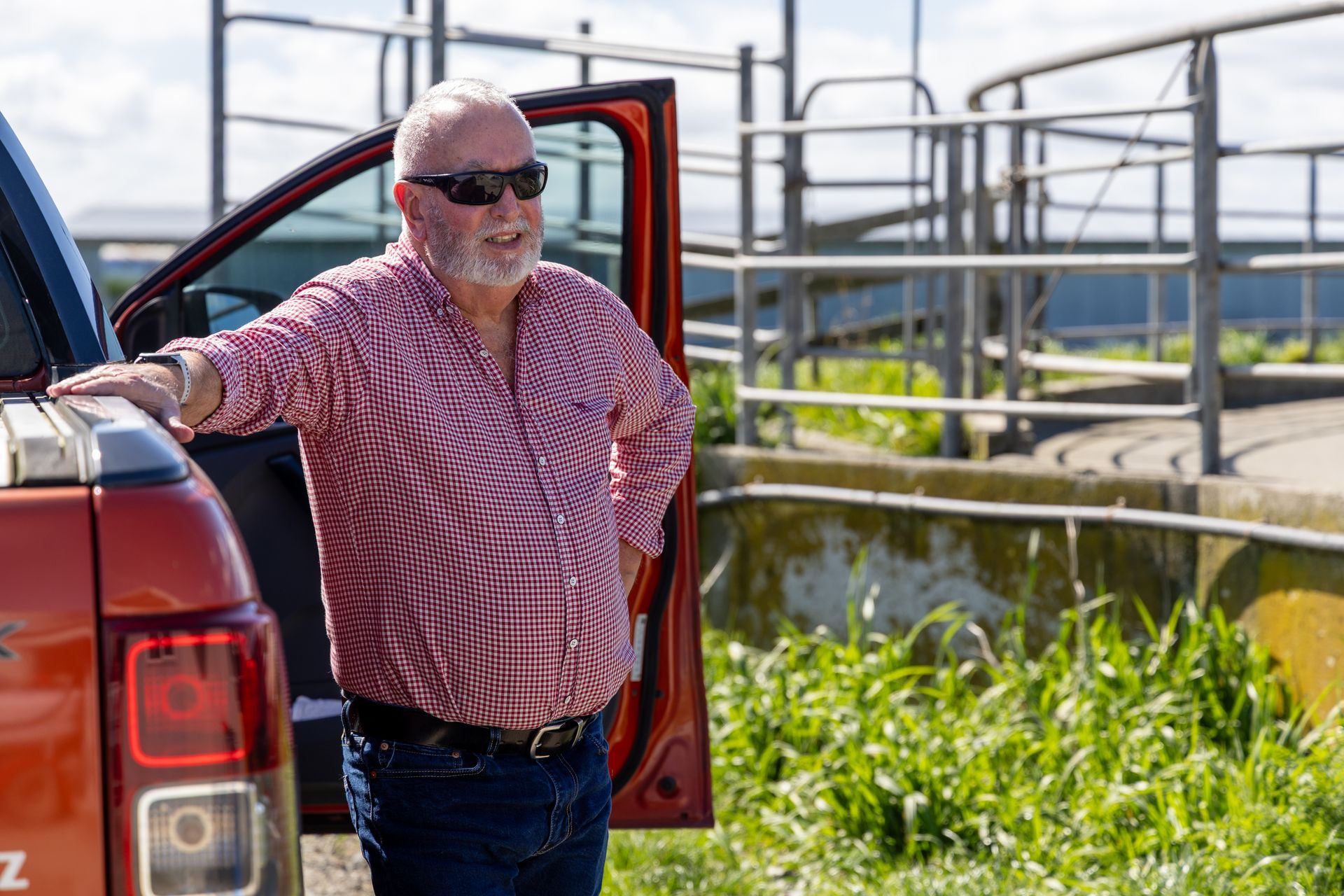
In Masterton, there is an accountancy firm that has seen the reign of two queens, the coming of the computer age, the birth of the AI revolution . . . and 140 years of constant change and evolution within the Wairarapa’s widely varying agricultural sector.
And with the benefit of those 14 decades of hindsight, it can consolidate nearly all its rich history of insights into one overarching theme with two key components: those that adapt survive, grow and profit . . . and the key to adaptation is quality and timeliness of information.
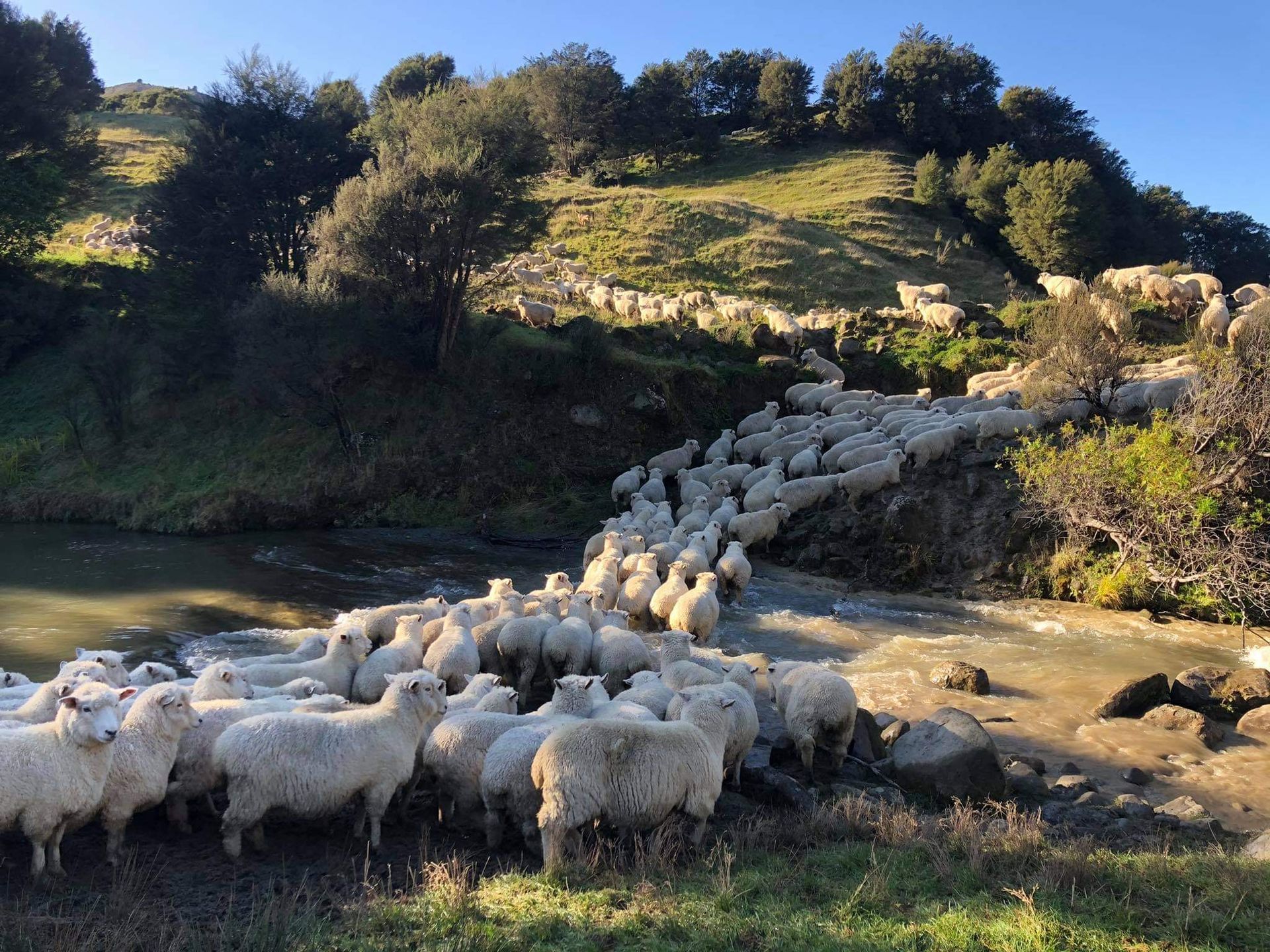
Nowhere are “Just In Time” informational inputs of greater value than in a farming operation . . . and the Wairarapa, historically, is built on these. The region has one of the most diverse agricultural sectors in New Zealand . . . from dairying to forestry, from viticulture to numerous different types of cropping, to sheep and beef farming, historically the region’s agricultural mainstay. With the challenging nature of much of the region’s land, there’s also a well-developed stud breeding sector here, producing animals that are sought after for their hardiness and adaptability.
All of these operations – whether large or small – are capital intensive . . . often an understatement. And all are subject to, and sensitive to, changes in market tastes, expectations and demand . . . often in response not only to the domestic scene but also to international markets.
This richly diverse agricultural sector represents a very large component of chartered accountancy partnership Sellar & Sellar’s client base – and has done so since its 1884 beginnings (albeit, for the first four years of its existence, not by a Sellar, but by one William Boyce Chennells). Chennells was joined four years later, in 1888, by William Sellar, as his co-Partner (the Partnership then becoming Sellar & Chennells). The firm increasingly became a Sellar family operation and in 1936 changed its name to reflect that directly: Sellar & Sellar. The Sellar family succession held all the way through the decades until the last Sellar retired as a Partner in 1975. (See detailed timeline at end of Feature.)
The Timeless Criticality of Timely Information Inputs
The evolution and survival of agriculture in all its forms within the region’s diverse base has required many of its component sectors to change rapidly at times within the nearly one and a half centuries the successive generations and Partners of Sellar & Sellar have observed – and served – them.
Whether it’s been dairy farmers responding creatively to modern-day environmental challenges with the likes of farming dung beetles to reduce the volume of nitrogen leaching into waterways, farmers converting sections of land to forestry for carbon credits, or the adoption of and investment in advanced technologies, a willingness to change and adapt is the constant theme running through that long observational history.
And it’s always been quality informational inputs – from the days when the region contributed to the first shipments of frozen carcases from Dunedin’s Port Chalmers to London to be sold at the famous Smithfield Market, to today’s increasingly fast-moving agricultural landscape – that have been key to the success of long-term sustainable agricultural operations.
Sellar & Sellar Partner Graeme Bayliss has, during his 36 years with the firm, provided chartered accountancy services to almost as many dairy farm operations, and to the often multi-generational families that own them . . . especially here in the Wairarapa where, in the majority, dairying is still a family business.
“Good solid data is a core tenet for the profitability of any business,” says Bayliss. “But nowhere more so than in dairying. Its hands-on, especially market-sensitive, and very capital-intensive nature.
"It has very high inputs. So if you’re going to optimise for very high outputs, you have to keep everything in a very fine balance. Precision-budgeting is absolutely critical.”
Forecasting Is the Catchcry
The catchcry here is forecasting.
“Historic data has its uses in mapping and recognising longer-term trends . . . but what we want is the freshest data inputs possible, so that what happened or maybe went wrong last week, can be changed, fixed or improved on this week.
“Nipping an issue in the bud means exactly that: nipping it in the bud, before it gets the opportunity to blossom into a budgetary black hole.
“Things in dairy farming have to be a lot more real-time, and it’s the accountants who work collegially with dairy farm advisors, for example, who can readily discern what data points are the ones to keep the closest eye on, in any given circumstances and in any given environment.
“The decisions you make
this week affect how much milk you get out of your farm
next week. The impacts of decisions are seen far more quickly and rapidly than in other types of farming.”
Bayliss cites fuel and electricity as two specific cost items that benefit from real-time tracking, and that can inform profit-preserving behavioural changes.
“Fuel prices . . . a biggie," he notes. "You have forecast a fuel line item of X in consideration of the global factors impacting fuel prices in that moment. But the online fuel usage suddenly leaps to Y. We then need to explore why that is; was it just that fuel prices increased, or was it actually something different – like some behaviour related to usage? Or has the operation reached a point where it’s time to purchase more efficient machinery?
“When you’re keeping a weather eye on this sort of a variance each year you can readily see that, for example, it’s been a consistent unwelcome variance across say, the past three to four farming cycles, and now it looks as though it’s going be a constant, and therefore a constant budgeting challenge . . . So now we reach the point where we decide we won’t delay what has become obvious without letting it get any worse i.e. that we’re going to have to plan a big capital expenditure item.”
The same goes for electricity – another commodity that can vary wildly because of cost and usage practices.
“What’s the operation’s break-even point when an electric appliance is cheaper to run than a diesel appliance, and how does that feed into the decision to finance a new capital investment? Investing in a new electric motor-driven asset is going to be expensive, for sure, but we have to understand the payback period involved with having made that investment decision vs the risk exposure of uncertainty around global fuel prices.
“It’s the old saying, you can’t benefit from what you don’t measure. You can’t make a conscious decision if you’re not conscious of the information required to inform it.
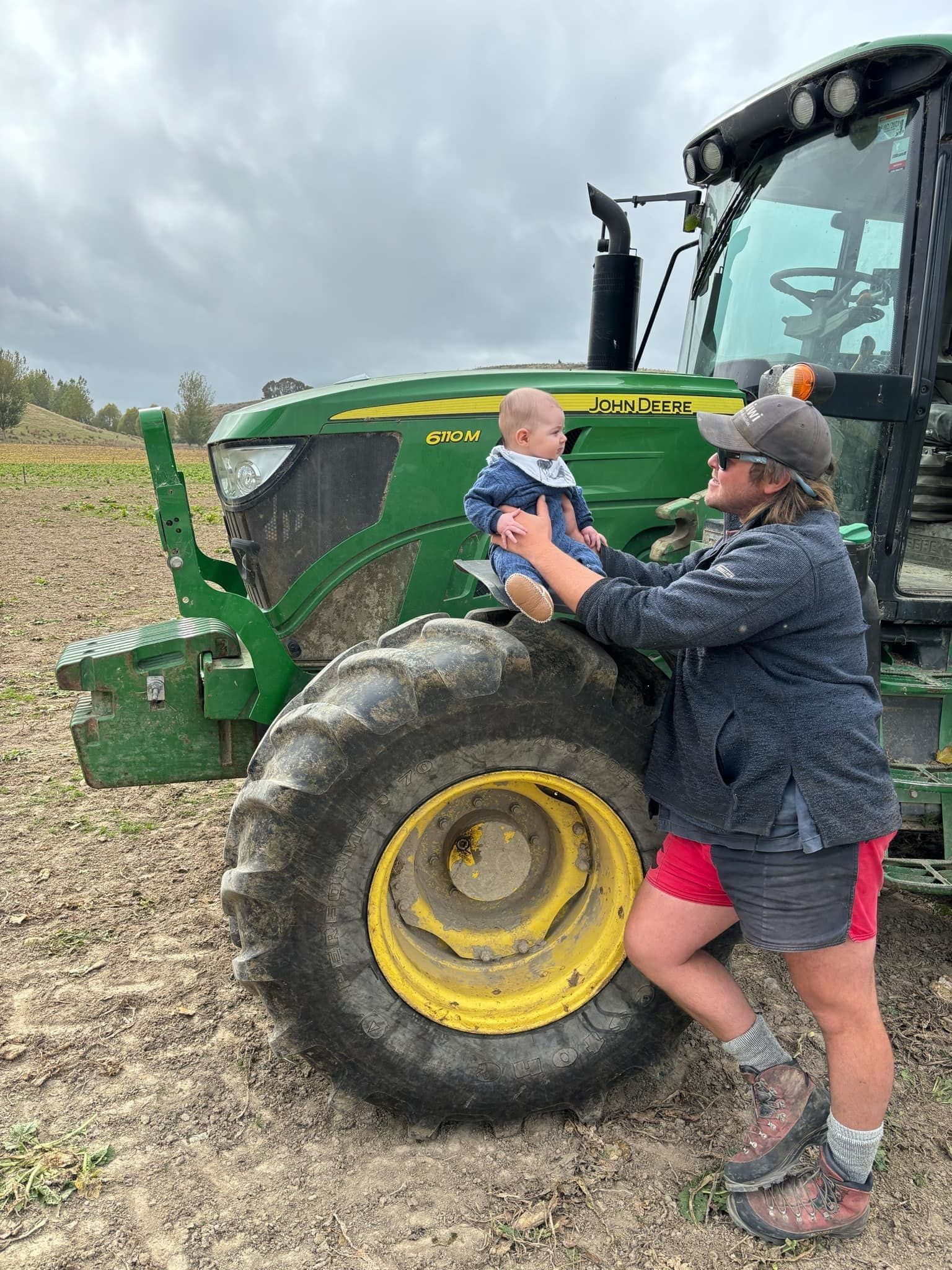
“Also, because you milk cows twice a day, there is – accordingly – a wide spectrum of cost inputs that have the scope to improve economic performance in a short time span. From feed type-related decisions to whether to invest in a new tractor dependent on what’s happening with diesel and looks to be continuing or not continuing with that, to the best way, in any specific set of circumstances, to fund or finance capital expenditures, or maybe avoid them altogether through the use of contractors.
“In dairying you also have more expensive livestock, you’re paid for how many kilos of milk solids you’re producing, there are large HR costs, irrigation considerations, and a multiplicity of equipment types and the associated decisions and upgrades to be made on a reasonably regularly basis.
“There’s risk management in terms of exposure to higher interest rates. If we’re working with a switched-on client they’ll often want us to model budgetary impact scenarios with them . . . What does a ¼ percent increase in the cash rate mean for their cash flow position, and how does that flow into their medium-term goals and funding requirements? Are we going to have a lean budget or a generous budget next season . . . and more immediately, is it going to change the way we meet the costs of this year’s expenditures? Should we leave interest rates floating or locked in for two or five years?
“There’s a frequency of information needed in the dairying context, and if we, as accountants, get that it gives us the ability to optimise the direct, on-farm impact of our advice. Time lags erode profitability. Timeliness optimises it.”
It’s an unavoidable truth that, for the most part and certainly in the shorter term, primary industries are price takers on the international market, so the focus necessarily has to be on where a farmer has the greatest degree of control: the efficiency of input costs.
Analysing costs either too long after the fact and/or as a total picture without drilling down to find out the reasons for variance, can hide a multiplicity of sins. The more accurate and granular the information is, and the more regularly it is compiled, the better the analysis, and the sooner the client can act on the information and make a timely change . . . a change that, itself, gets monitored in a timely fashion and that facilitates further analysis for continuous improvement.
"That’s the reality and the benefit of real-time, 'Just In Time' information . . . whether it’s the intensive operating landscape of dairying or the very different environments of forestry or a vineyard, the principles hold. Dairying simply provides a peak example.”
Passing On or Passing It On
The commonality between almost all primary industries is their capital-intensive nature.
“There’s a huge investment in land, plant and machinery, and the value of the combined assets which have traditionally been held by single families or extended families requires some focused decision-making on how to protect that asset for the family – protect it against tax, protect it against commercial risk, and protect it against financing-related risks,” says Bayliss.
“There’s no time like the handing on of the family farm to see exactly what it looks like when these have been managed well over the years compared to when they haven’t.”
The agricultural scene in the Wairarapa has traditionally been the domain of large farming families.
“That’s what makes the Wairarapa so different in this current age; we still have a large concentration of old money spread around many multi-generational families.”
And Sellar & Sellar has serviced many of them.
According to the 2025 Rabobank white paper, ‘Changing of the Guard: Stepping Up the Succession Conversation in New Zealand Farming’, the demographic face of farming is changing at an alarming rate. The bald fact: the average age of the farm owner is getting rapidly older.
Since 1996, it states, the proportion of farm owners aged 25 to 54 has steeply declined. Those aged 25 to 39 declined by 64 percent, while the proportion of those aged 40 to 54 is down by 54 percent.
Meanwhile, the proportion aged 65 and over has increased sharply: the 65 to 74 age group is up by 89 percent, while the proportion of those over 75 grew by 322 percent between 1996 and 2023.
Study Reveals Concerning Laxity in Succession Planning Among Farming Families
A February 2025 Rabobank survey of 450 farming businesses across the full spectrum of operational sizes, revealed a concerning laxity in succession planning.
According to Rabobank’s documentation:
- Across all respondents, 33 percent said their farming business had a developed and documented succession plan, while a further 17 percent had discussed succession with the relevant parties but nothing had been officially documented. Half had neither discussed succession nor commenced a succession plan.
- The 33 percent who had discussed and documented a succession plan was weighted towards farms with an annual gross on-farm income of over $1 million (where 45 percent had documented succession plans). This compares to just 22 percent of the sample’s smaller farming businesses, where the gross on-farm income was less than $200,000.
- Part of the difficulty in transitioning leadership is the complex mix of family relationships in a business setting. Younger generations may be required to “earn their stripes” before taking control of the business, while older generations may grapple with retaining a meaningful role. Relationships that were once strictly family-based soon merge into working business-oriented relationships between parents and the next generation and/or sibling partnerships, with the challenge of working together effectively. People seldom hold discussions around the concept of control. If roles and responsibilities are not clearly delineated, the potential for conflict is high.
- Unexpected events such as death, injury or divorce also have no contingency planning to fall back on, whereas an up-to-date, functional succession plan - if one existed - could smooth the way to a harmonious and productive outcome.
So, as the Rabobank document would indicate, with just over half of all current farm and orchard owners set to reach or pass retirement age in the next 10 years, there’s a pressing need to get on and do something about this serious gap in planning.
Timely Information . . . Every Time
Injecting the matter into the directly relevant accounting environment, it yet again highlights the need for regular, timely data inputs.
“A farm is a complex operation; a system of inputs and outputs. And that complexity has become extreme in the regulatory environment, particularly, in recent years,” comments Bayliss.
“If you come to the point of an event or an impending event forcing the issue of succession planning and you find that, at best, for years you’ve been making decisions on lag time, or at worst you’ve been running completely blind, you can imagine the mess.
“Because of the complexity and the increased wealth of these complex businesses, the transference of them down the generational chain means you have all that much larger value that can be lost through inadequate planning.
“That’s where accountants and lawyers work together alongside financial advisors to create a scenario where all affected family members are aware of what the parents are doing . . . and how the wealth is going to flow down, which in turn helps the younger generation to plan their own futures.
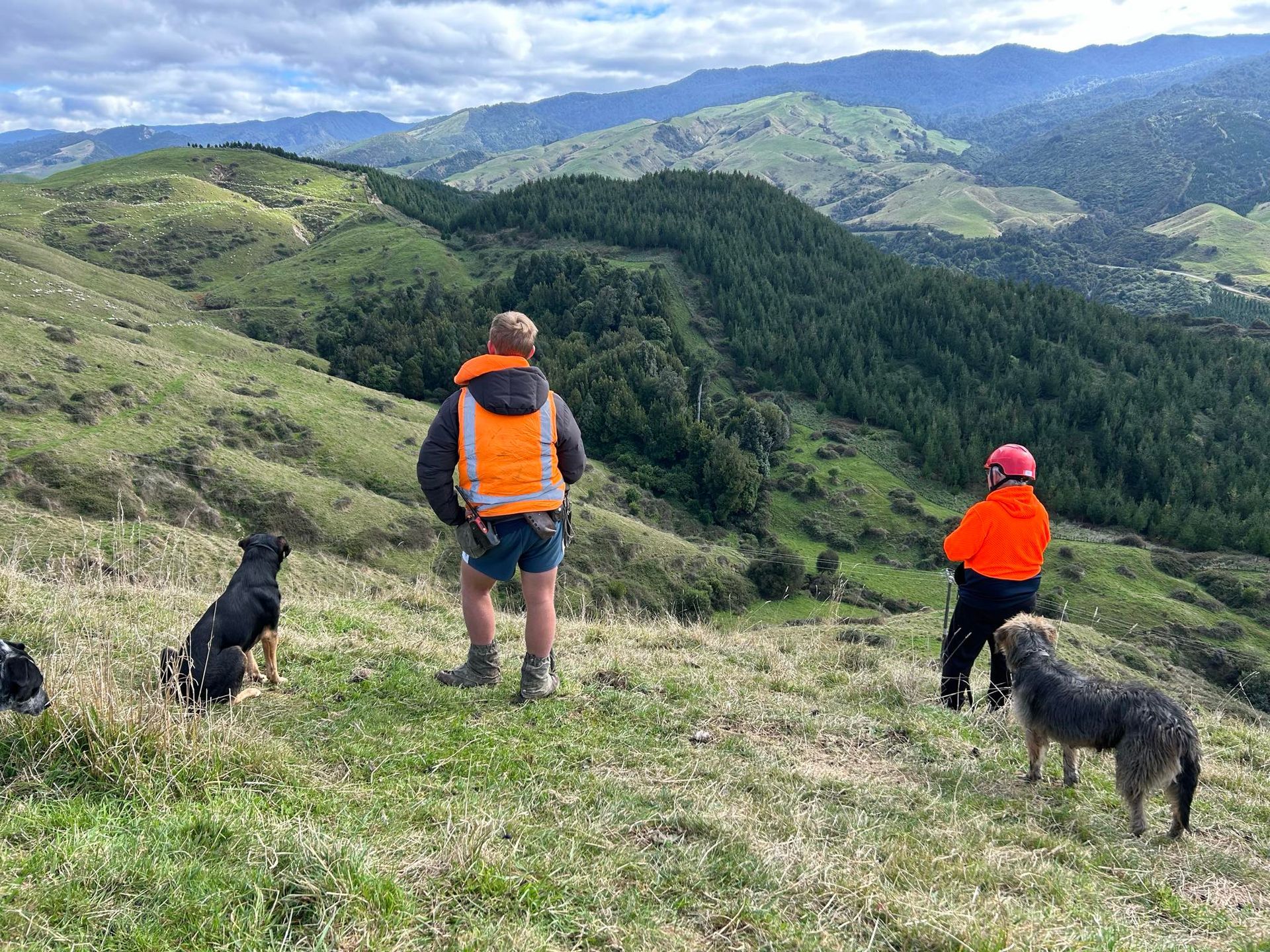
Multiple Families, Multiple Considerations & Multiplied Ripple Effects
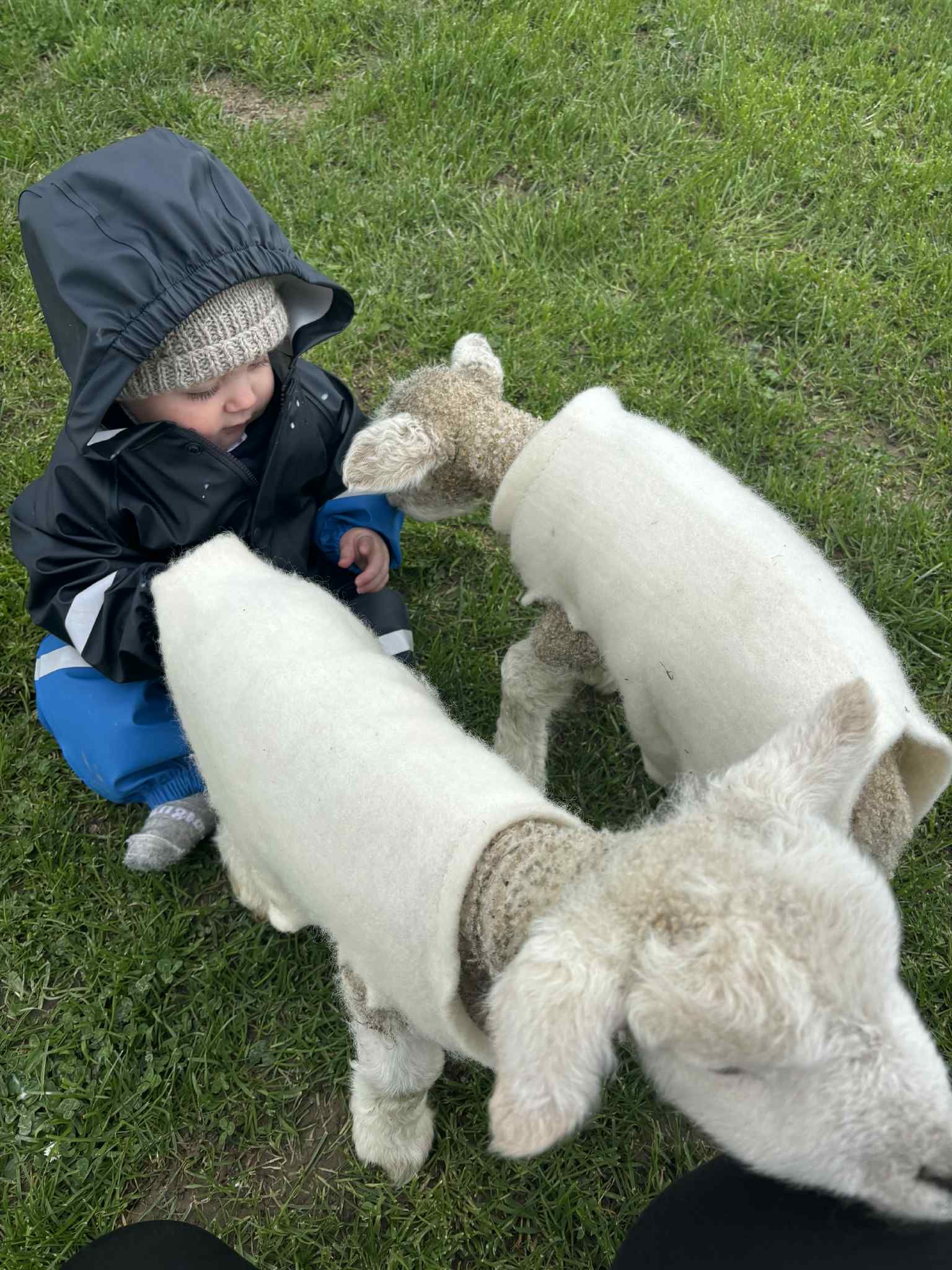
The days of a farm supporting one family are now becoming rarer. The same farm needs to support multiple families. Planning or the lack thereof has magnified ripple effects.
“It’s societal, commercial change at the highest level,” Bayliss states. “It requires cool heads and high-grade, timely information to be put to maximum effect, and preferably also to have been put to that maximum effect for years or decades before.
“A lot of these farms have been held in trusts – and the problem with trusts is that they get set up and then they just get parked for decades . . . usually for a multitude of reasons: they don’t want to think about death, it’s expensive to restructure, or now they have conflicting priorities.
“They just want to focus on today and hope that the future takes care of itself.
“But then the future gets closer, or worse still arrives without warning, and then there’s a slap-in-the-face level of realisation that they aren’t prepared at all . . . and you can very quickly end up with a total conflict between the parties within a family.
“These are all the issues that should have been thrashed out years before.
“For example, often the younger generation doesn’t want to spend years and decades building an asset. They want a return now. The mindsets of the younger folk have changed.
“But the older generation doesn’t see the need for the younger generation to have it easier than they had it. Their mindset is that they did it themselves, so why should the kids just come in and take the wealth? And then you get inter-family squabbles with romantic partners getting involved, and it all turns to custard.
“You have to address this even if it’s uncomfortable . . . because one day it’s going to become a lot more uncomfortable and that one day is going to come.”
The need for relevant, regularly captured and analysed information underpins a well-researched succession plan. It's the basis upon which all advisors make their recommendations and provide their guidance . . . including farm management advisors and lawyers, not only the accountants.
It’s only through this quality and recency of information that those parties can see what the business is really worth and its potential going forward in various contexts or modes of operation . . . and thus, the options that are available to it and the incoming generation.
“If it’s a swap from less intensive farming policy to a more intensive farming policy, or a change in land use to a different crop, that the incoming ownership and management has in mind . . . you need to know what the family asset is worth and how it can be utilised, converted, or optimised in all those scenarios.”
Greater than the Sum of the Parts
"This is where smart forward planning can ensure that the opportunities each party benefits from are greater than the sum of the actual parts," says Bayliss.
“It’s all part of a comprehensive, responsible, forward-thinking succession planning exercise. And knowing the true make-up of the existing base of wealth is the foundation, and also the foundation to fairness (which doesn’t always relate to straight equity) in the transference and sharing of that wealth around the different family members.
"That in itself is another huge topic in its own right.
"By way of example, the potential wealth creation available to each person might, according to the parents’ wishes, need to be commensurate with their input into the family wealth to date – which is the essence of fairness in a context where 'fair' and 'equal' aren’t always the same thing.”
___________________________________________________________
The Sellar & Sellar History Timeline
1884 - William Boyce Chennells commences operation as an Accountant in Masterton.
1888 – William Sellar goes into partnership with William Boyce Chennells.
1898 – George William Sellar, son of W. Sellar, joins the firm of Sellar & Chennells.
1906 – G.W. Sellar becomes a Partner with W.B. Chennells.
1913 – W.B. Chennells retires from partnership.
1931 – William Michael Sellar joins Sellar & Chennells.
1936 – W.M. Sellar joins his father G.W Sellar as a Partner, firm to be known as Sellar & Sellar.
1975 – W.M. Sellar retires as a Partner from Sellar & Sellar.
This profile is an independent commercial showcase. The Publisher accepts no liability for services or transactions entered into with Featured businesses. Read our full Disclaimer.
© 2026 Wairarapa Business Showcase. All rights reserved. This Feature article is protected by Copyright and may not be reproduced elsewhere.