FusionFresh: Fusing Food, Culture & Community
New Title
The Little Multicultural Grocery Store that Solves Big Problems for A Growing Community
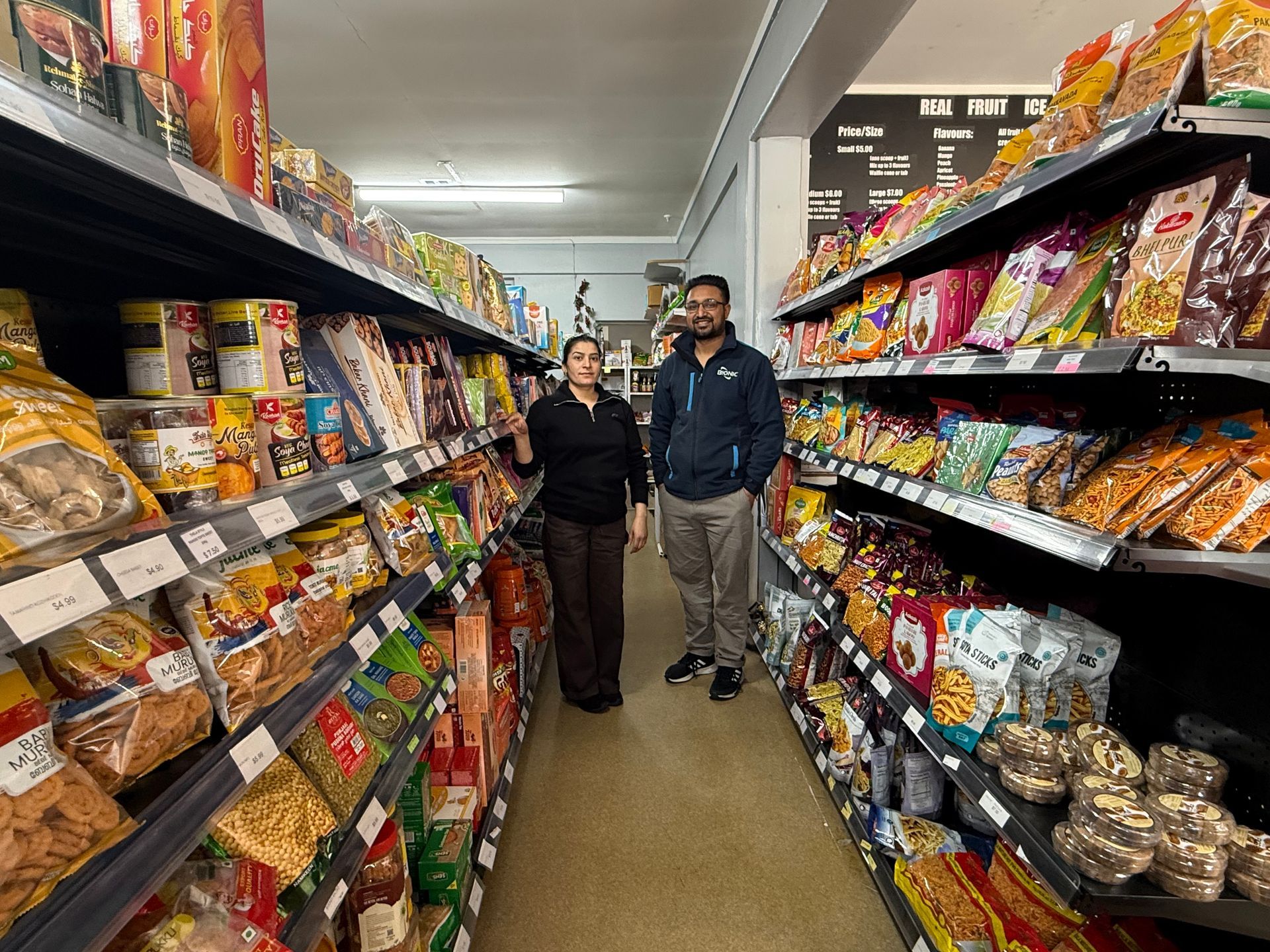
When is a specialty grocery store more than just a food retail outlet?
When it saves 300 families a regular haul across the Remutakas to Wellington just to buy the food products and other grocery items their household prefers or relies on . . . when it serves as a centre of connectivity for five different immigrant ethnic groups . . . and when it introduces a whole new generation of Kiwi locals to the delights of traditional North Indian, South Indian, Sri Lankan, Pakistani and Bangladeshi cooking ingredients.
That’s the value a humble but fascinating little Aladdin’s Cave of cultural delights has brought to the Wairarapa since it opened its doors just 18 months ago in March 2025.
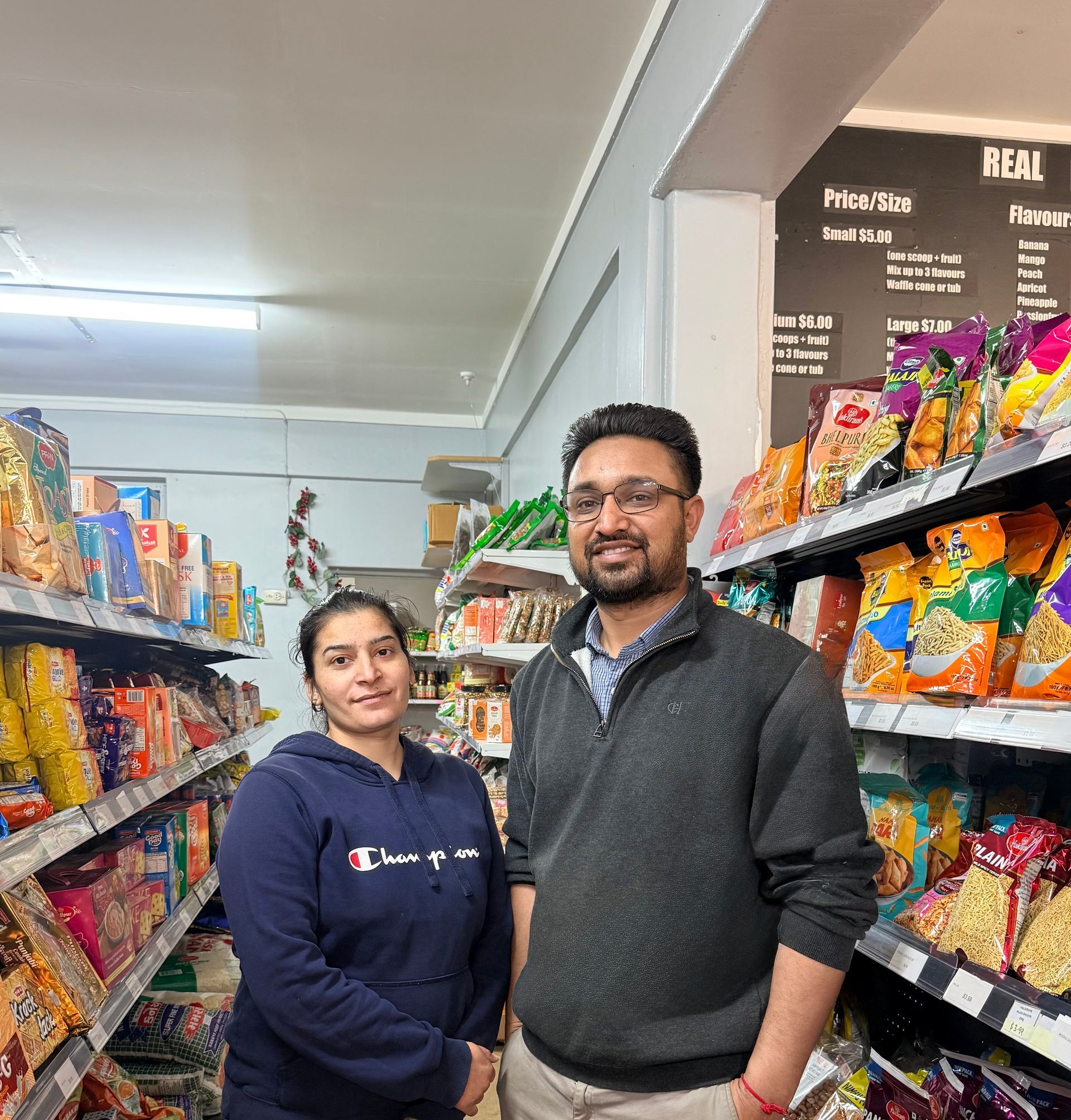
Masterton’s FusionFresh is owned by husband-and-wife team Amrit and Ramneet Singh, who migrated to New Zealand from the state of Punjab in Northern India at the end of 2017. A welder and roofer, Amrit worked in his trade all across Hawkes Bay for five years, while his wife managed a motel complex in Havelock North.
After an out-of-town roofing job brought him to Masterton for a week in 2020, he became enamored with its livability – logistically, socially and economically . . . and thus the seed of moving his by-then family of four (now five) to the Wairarapa was planted.
But his roofing and welding job kept him too busy for that seed to germinate particularly quickly once he returned to Hawkes Bay. It was only when the itch to branch out into self-employment had, by mid-2021, become too strong to ignore, that he and Ramneet sat down and had the serious conversation which would see them finally make the move to the Wairarapa in January 2022.
A Critical Gap In Pre-Relocation Research Leads to A Solution to An Entire Community's Problem
But as they settled into their new home in Masterton (with Amrit becoming a self-employed roofer), they realised there was one critical piece of research they hadn’t done before moving here: checking out the availability of Indian groceries.
“Napier has four or five good Indian grocery stores,” said Amrit. “It just didn’t occur to me that the Wairarapa could be such a completely different situation.”
In the manner of newly-immigrated ethnic groups, and particularly those from the broader South Asia region, the Singh family soon became part of the community formed by those ethnicities here.
It didn’t take very long at all to realise that the majority of the approximate 300 families comprising that composite community were all experiencing the drag of a regular, draining, day-long haul down to Wellington for grocery stock-ups . . . which, in addition to the inconvenience and expense, also added the non-desirable issue of having to buy larger volumes of food upfront and also having to reduce the percentage of fresh, perishable components of their diet.
“For the big families, it’s really hard, because they often run out of freezer space, and they’re relying on packaged food much more than they would really like.”
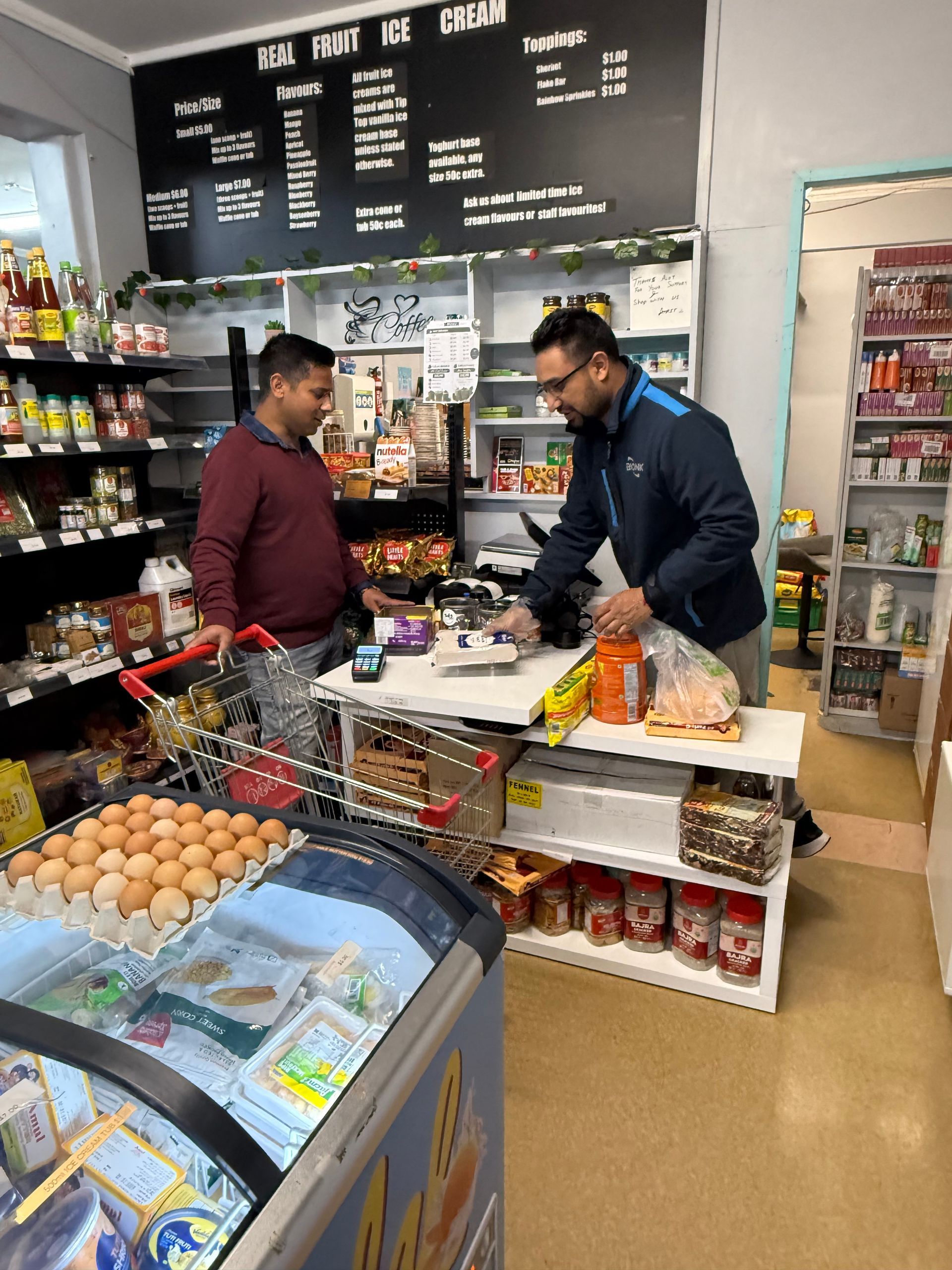
That context paved the way for an unexpected move: purchasing an established real fruit ice cream shop at 101 High Street. Kept in place primarily to avoid disappointing its established customer base, the specialty ice cream operation soon created a remarkable synergy. Long-time ice cream regulars found themselves drawn into the vibrant aisles of ethnic groceries, turning curious local visitors into enthusiastic experimental cooks.
A Well-Rewarded Leap of Faith
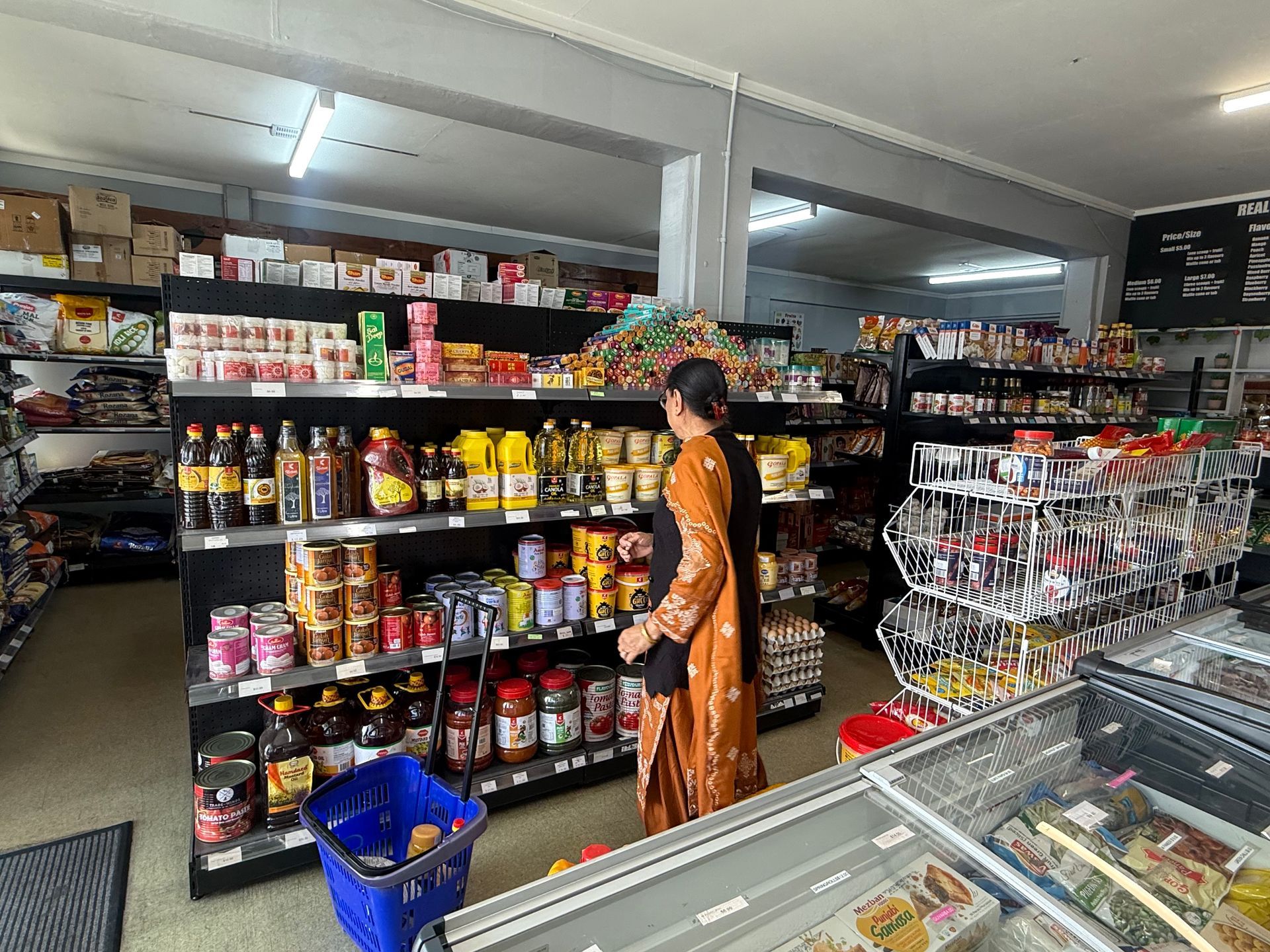
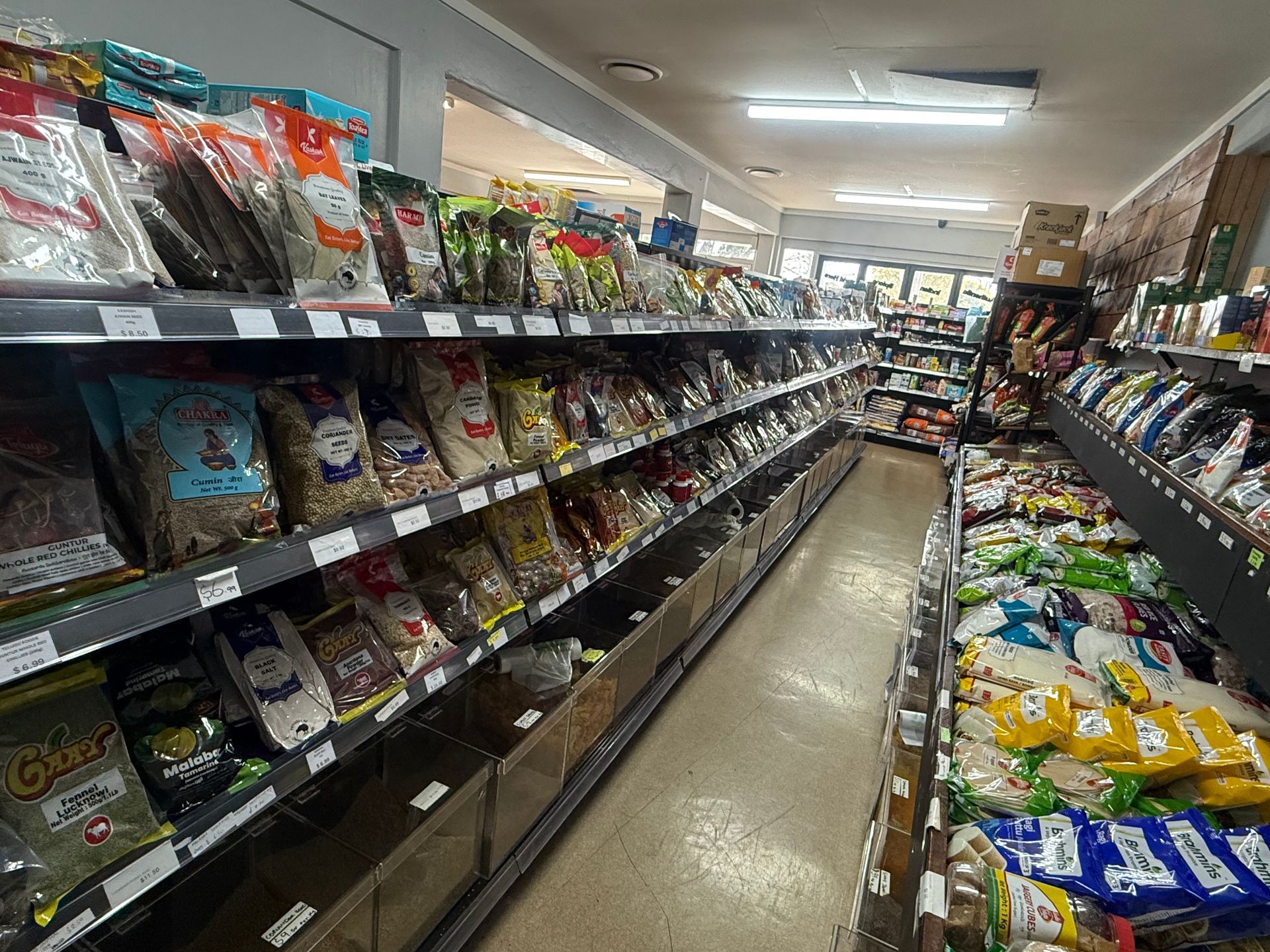
Today, just 18 months later, their leap of faith and service to the community of which they are part – together with the continued loyalty of the adopted customer base from the real fruit ice cream operation – has rewarded them with sufficient demand to, thus far, have expanded their range to 2700 different stock lines of packaged, dry, frozen and fresh foods imported (through Auckland distribution agents) from Northern India, Southern India, Pakistan, Sri Lanka, Bangladesh and a few other smaller outliers of that overall part of the globe.
The community representing those nationalities, according to Amrit, sits at around 200 Indian families, 50 Pakistani families and a similar number of Sri Lankan families, a small number of Bangladeshi families (less than 10) and a handful of others.
The Indian community specifically comprises not only direct immigrants from the north and south of India but also “re-migrated” Indians i.e. those that first migrated to other countries such as Malaysia and other parts of Asia, before moving on to, and settling in, New Zealand.
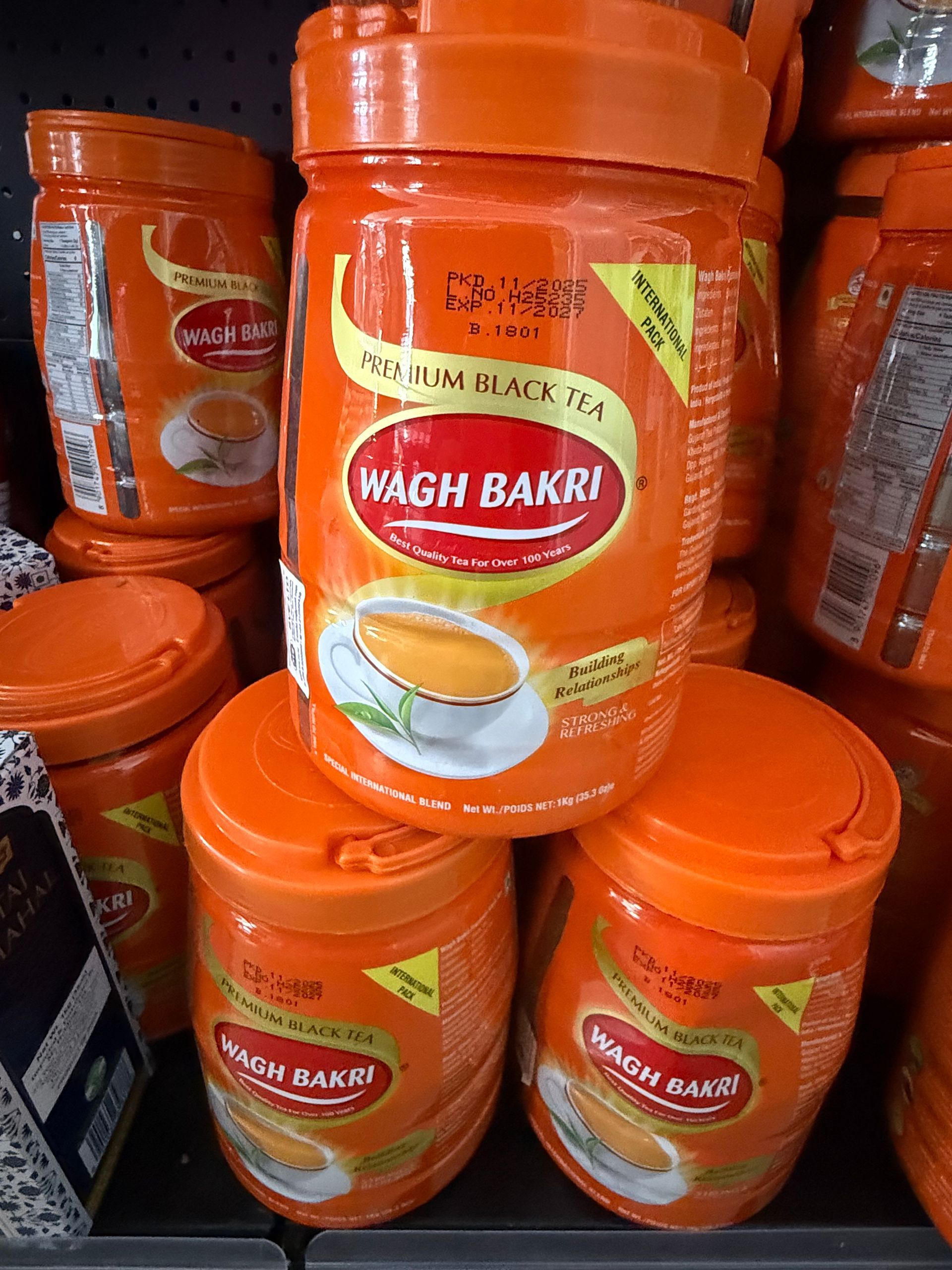
The shop not only services their core needs – the most common ingredients in the cuisines of these countries, including staples such as curry, flour, basmati rice, lentils, oil, ghee, pickles, pulses, spices, chutneys, frozen foods, snacks, beverages (e.g. special Indian teas, like masala chai) - but also treats and sweets, both branded and freshly-made, that were a part of the childhood of many of the older members of the community or those that are newly-immigrated.
Understanding Cultures & the Existentially Critical Nature of Community
Amrit points out the importance of extended family and community to these ethnic groups . . . seen as nothing short of existentially critical when migrating.
“Newly arrived members of the Indian and the other ethnic groups, because of our extended family and common values, tend to quickly become quite close with the members of the existing community in the area that they have just moved to. For example, Ramneet and I attend a Sikh temple every Sunday. After worship, everybody shares a meal as a regular part of our day together.
“It’s worthwhile understanding this about these cultures, but the Indian community especially.
“While India is a massive country, and actually
because it is such a massive country, our culture and upbringing is such that (unless we’re migrating internationally) we live all our lives in tight multi-generational extended family settings and we avoid unnecessary travel.
“As part of that picture, and especially where we are living in the regions rather than the big cities, we are very accustomed to having everything we need all within a 20km or so radius of where we live.
“We really don’t like to travel much within our country; it’s not easy, and we don’t like to be away from our families if we don’t need to; we are very family-centred people.
“So it’s important, if you want to understand our cultures and the way we live, to understand how much we want to have the things we specifically need close at hand, including those that are specific to our own nationalities and culture . . . and not to have to travel a long way to access them.
“You can see then, what a problem the whole food sourcing and grocery shopping issue was for our local community.”
Stepping Up
Why did HE decide to be the one to fix the problem?
“It never initially occurred to me that I would be the one to fix this problem. I had no experience at all in retail. I’m a roofer and a welder; although Ramneet obviously has a successful hospitality and business management background.
“But after two or three years of going backwards and forwards to Wellington every month, and seeing the rest of our community doing the same thing, I thought, ‘No-one’s ever going to do this if I don’t. It’s going to have to be me and Ramneet.’
“So I started searching for wholesalers and talking to several in Auckland, which is where most of the importers of Indian foods are based. I contacted them and spoke to them about a lot of items that I know we all need and to get them to recognise both the demand and the market gap here in the Wairarapa,” Amrit explained.
“I asked if they would support me not only to open and establish an operation, but also to grow it into something special. It took me about six months to wind down my very busy roofing contracting business so that I could make the leap . . . which I made out of sheer frustration in the end when my Mum and Dad came here to visit from India, and suddenly our monthly grocery shopping trips to Wellington became a little over weekly.
“It was on the day I took Mum and Dad up to Auckland to put them on the flight back to India, that I decided to front up and show these wholesalers and distributors that, despite my minimal experience in retail, I was serious. Equally, I needed to see the quality and extent of their ranges to ensure that, if I started this business, they would provide consistency of quality, and consistency of availability . . . and also that what they stocked would offer me the scope to grow the range of my own operation.
“I saw a lot of good brands, ones that the communities I wanted to service not only would readily recognise but many that we had actually grown up with, and so would have strong multi-generational appeal. I went through their product lists extensively, and saw how they themselves were also planning to grow their imported ranges.
“When I came back to Masterton, I sat down with Ramneet, and it was she that gave me the confidence that this was the right time to take the leap. So I started searching for a shop to get the operation started, and I found an existing real fruit ice cream shop – where we are now, at 101 High Street – which, before it had been an ice cream shop, had been a fresh produce shop. In terms of fresh product with a high turnover, it was a proven location.
“Also, the real fruit ice cream business was well-known and well patronised; I had seen the queues of people waiting for this ice cream, and it would have been a disservice to have closed that down. So I bought both the real fruit ice cream business in its own right and I took over the lease on the shop.
An Unexpected, Highly Successful Synergy
“A real fruit ice cream business and Indian groceries is a very odd mix, and I don’t know anywhere else in New Zealand that you would find such a combination, but it is working!
"It’s not only working but it has created this unexpected synergy where the Kiwi customers come in and are fascinated by the huge variety of ethnic groceries and start making experimental purchases . . . I’m fielding questions all the time about dishes people want to know how to cook. Of course, it’s usually easier for me to help them find the instructions on YouTube rather than try to navigate language difficulties, but I can still help them with the specific ingredients they’re going to need, and educate them about these.”
Regarding the groceries customer base specifically, the store’s patronage comes from throughout the entire Wairarapa, and also from as far afield as Pahiatua and Eketahuna.
“There are quite a few Sri Lankans working in contracting roles in dairy farming in those outer areas,” Amrit enlightens.
Culture, Community, Customers . . . and Connection
What role does the store play as a cultural connection point for new families settling in the Wairarapa?
“Besides just serving our communities’ culinary requirements and catering for their preferences, we find we are playing an active role in helping the families from these nationalities that have settled here, to preserve their traditions and cultures.”
The various component communities’ Festivals provide a classic example of that cultural connectivity and preservation of tradition.
“There is no more important calendar events for us than our Festivals. Our various individual communities have, for many centuries, celebrated certain special dates and periods of their calendar with different Festivals like the Onam and the Diwali festivals. These are primarily religious events, and there are specific foods associated with each.
“South Indian people celebrate Onam, for which we make Sadhya – a feast that comprises about 27 different dishes. North Indians celebrate Diwali, which features special types of sweets.
“Our customers are not only so grateful that we have made their lives so much easier, but they’re especially appreciative that during the festivals, we make special arrangements to get in the associated foods and treats. They’re delighted that they can enjoy the things that kindle their childhood memories, and the suppliers are very good in supporting us to ensure that.
"So there is an increasing emotional connection now with this shop . . . and our objective is to keep delighting our customers by keeping on adding more products that they recognise from their roots and that they never thought they would ever see again."
Is there a personal dish, ingredient, or memory from Amrit's own background that means the most to him . . . and that he has found rewarding to bring to his local community and customer base?
Without a doubt, it's a particular sweet treat known as gulab jamun:
"Anyone from India knows what this is . . . it's a type of sweet for after meals that you have with tea and coffee. It's loved by all of these cultures, in fact, and they always like to have it. Very few of us would say no to a good gulab jamun."
What has been the most rewarding moment or piece of feedback Amrit has had running the shop?
“When customers see these sweets and the snacks and brands from their childhoods . . . they say they haven’t seen these since they were a child or since they left India. You can imagine yourself if there was a favourite lolly you had as a child or a special chocolate bar you always had, and then suddenly, right there in your own neighbourhood on the other side of the world, years or decades later, you see that lolly or that chocolate bar brand . . . the feeling of nostalgia and appreciation."
Vision for the Future
"Delighting customers like that, and continually expanding our range in general, is where we're focusing. For example, including more products for Fijian Indians and the broader Asian community.
"That, and also introducing our cultures’ cuisines to the local Kiwi customer base, and encouraging and assisting them to experiment with our foods and our beverages. That's both our reward and our vision going forward.”
It's also, though, not to just about groceries.
"It's more than that," enthuses Amrit. "It's to build a reputation as a trusted local business where people know they can buy quality food products
per se.
"And to expand the feeling of connection not only between the cultures that make up our South Asia immigrant base . . . but also to foster understanding, appreciation and connection between these cultures and the local, non-immigrant – Kiwi – community.
"I believe that maintaining our respective heritages and integrating into the wider Wairarapa community are two things that can happen at the same time.
"And food has the power to bring people from different cultures together.
"Food can unite us and draw us together. I don’t have to be a big operation to make an impact in helping create that connection between communities. People's mutual interest, inquisitiveness and desire to share their traditions does it for me.
"All I have to do is foster it by providing the right products, the right environment and the right attitude to servicing customers. For example, I want every local to feel comfortable walking into the shop and asking questions to help them try something new . . . or even just to enrich their understanding of each of the different cultures we serve.
"Not everyone in our communities is sufficiently outgoing or confident to share their culture with others. Many people in these ethnic groups are shy by nature, but they still want to be inclusive and to be included.
"Whereas, I have an outgoing nature, and it's easy and natural for me to share about cultural traditions and foods. So I feel a healthy obligation to help create that appreciation of them and to build that bridge between immigrant communities and the local Kiwi community.

The Products . . . 2700 and Counting
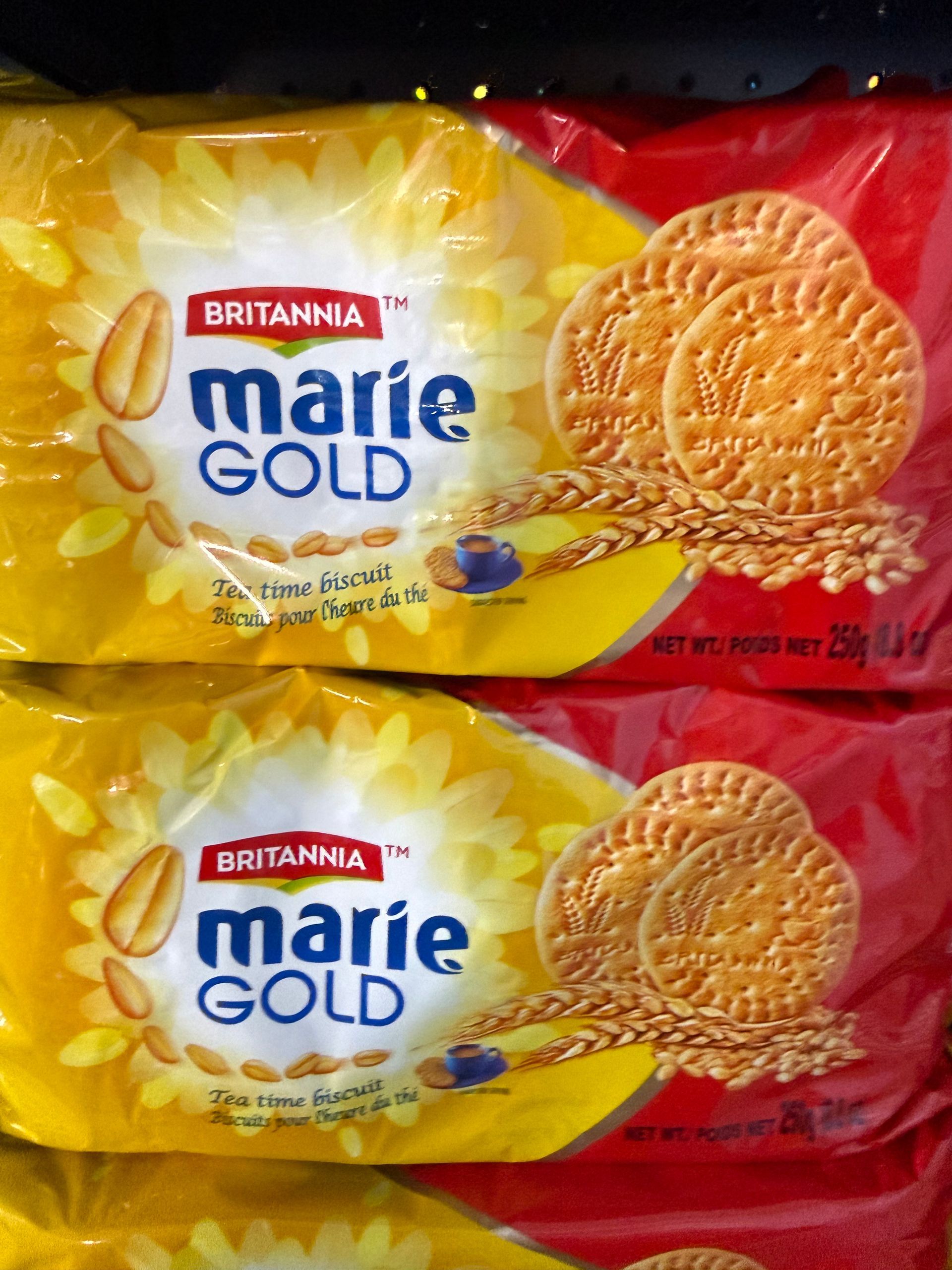
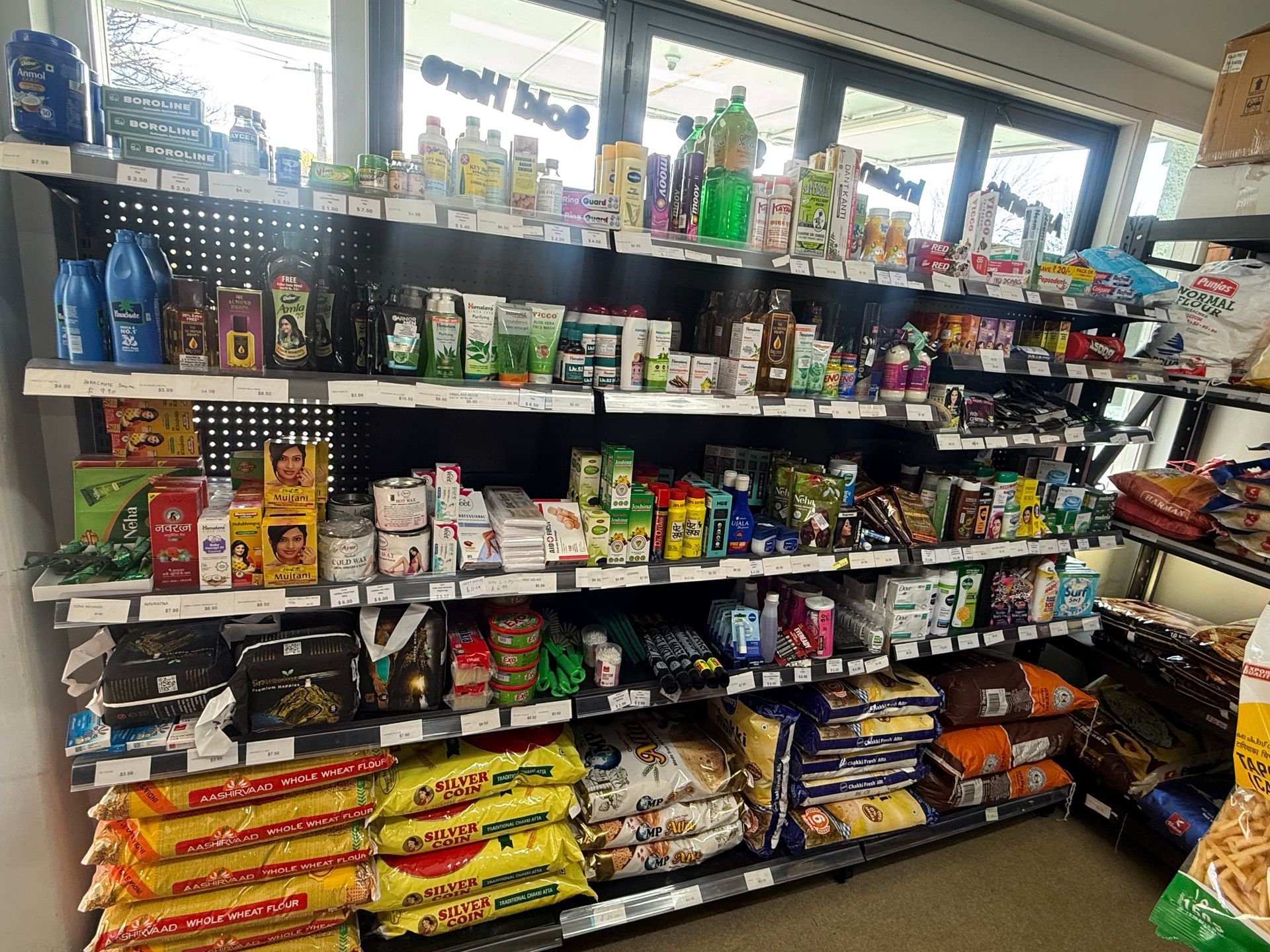
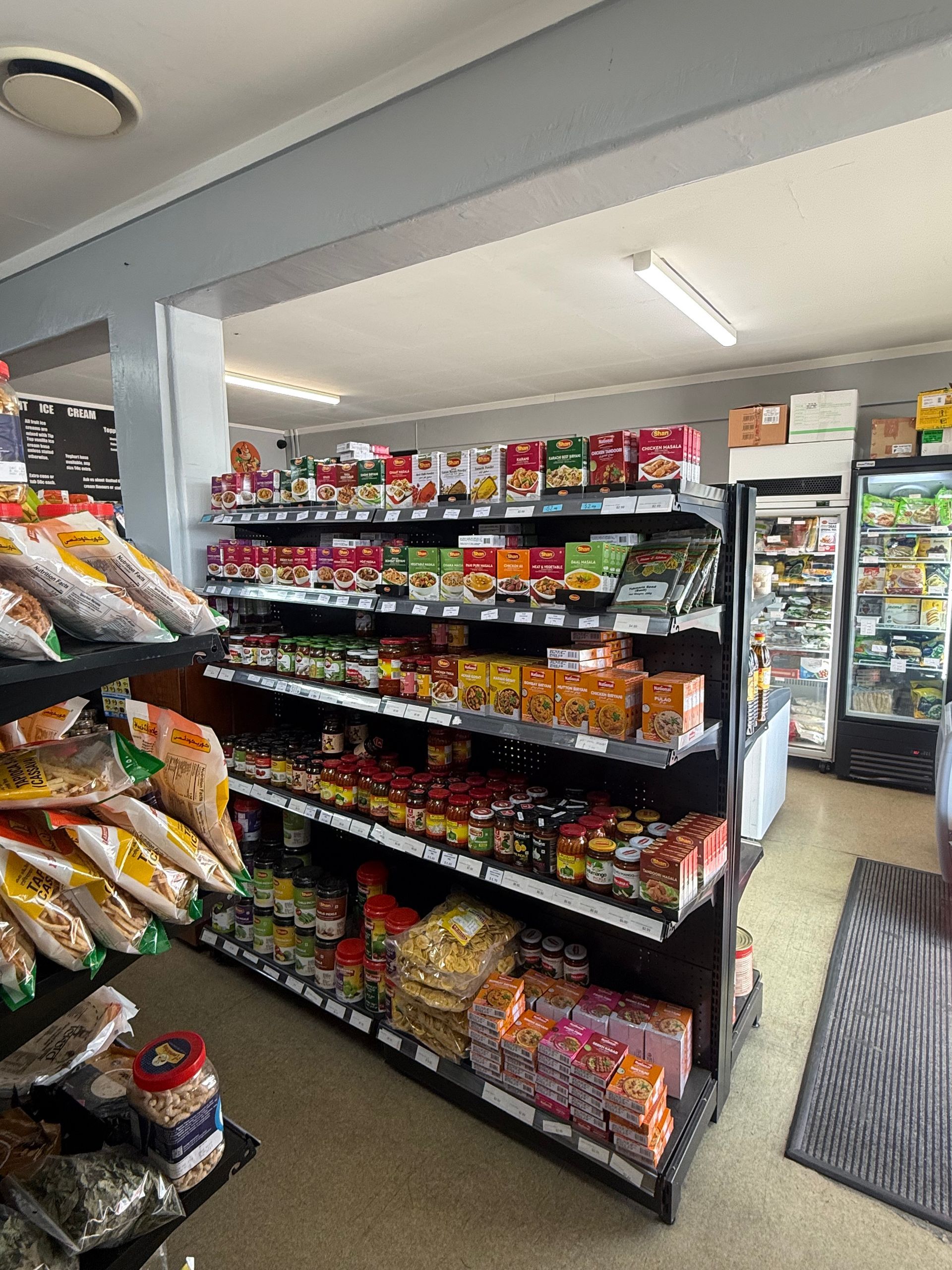
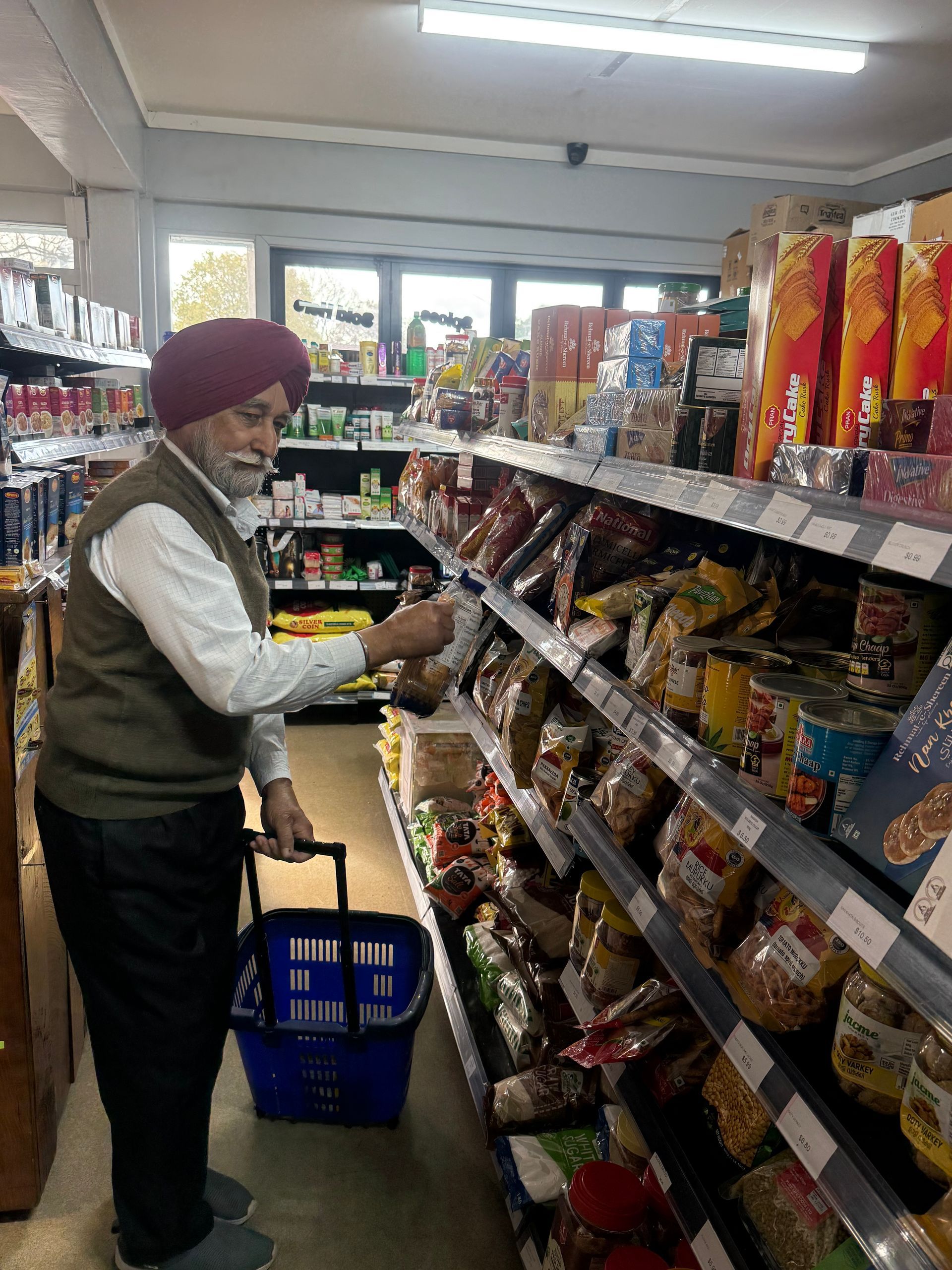
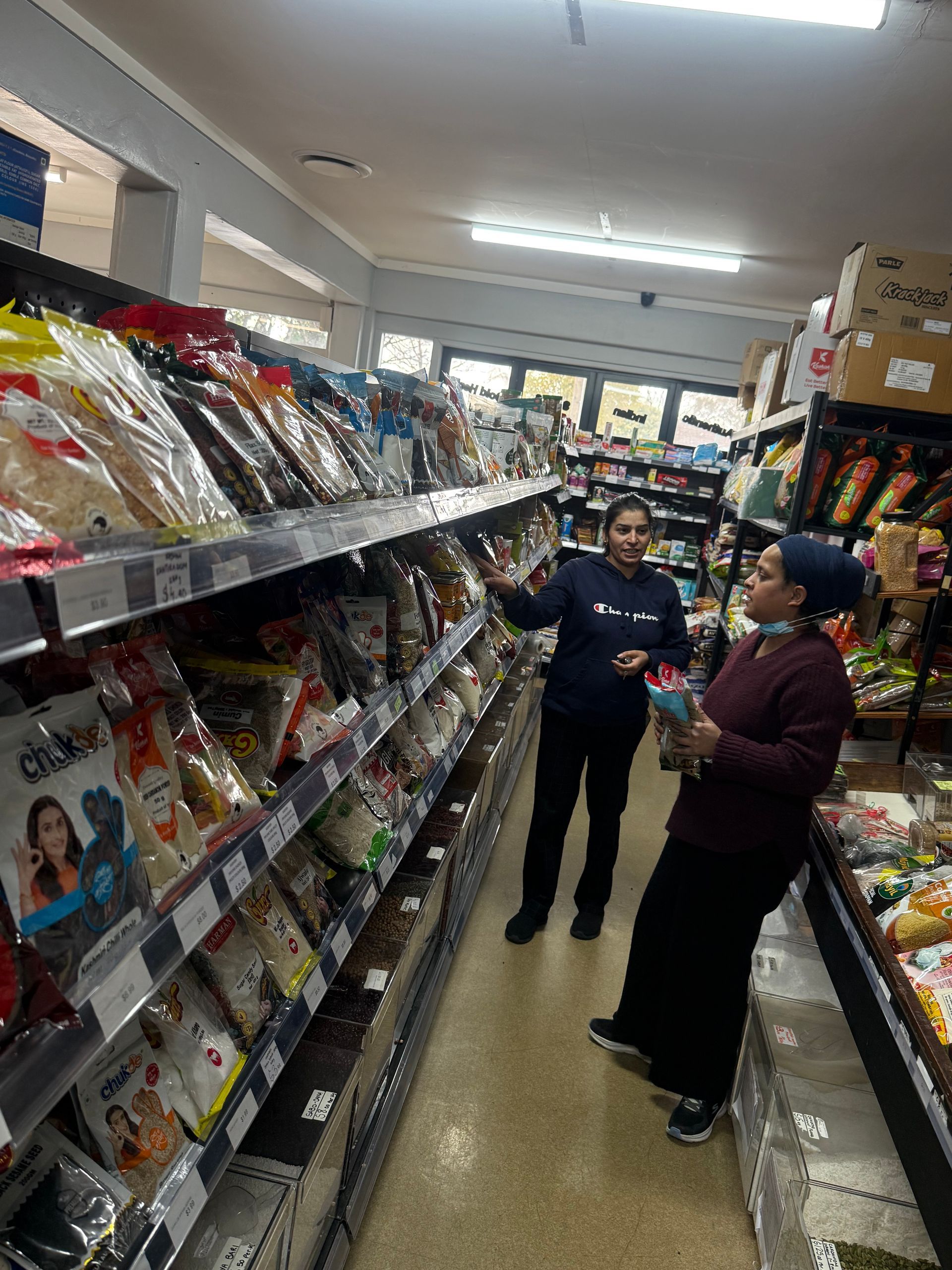
The above montage represents but a tiny cross-section of FusionFresh's 2700-and-growing range of items that the local South Indian, North Indian, Sri Lankan, Pakistani, Bangladeshi and several other smaller ethnic communities are now delighted to find right here in the Wairarapa . . . all in one place: FusionFresh at 101 High Street, Masterton.
These include, by way of example, high-volume staples like .........., and products considered more of a specialty e.g. those related to specific religious and cultural Festivals, such as the wildly popular Indian after-dinner sweet treat gulab jamun.
This profile is an independent commercial showcase. The Publisher accepts no liability for services or transactions entered into with Featured businesses. Read our full Disclaimer.
© 2026 Wairarapa Business Showcase. All rights reserved. This Feature article is protected by Copyright and may not be reproduced elsewhere.