POPPIES MARTINBOROUGH: For the Love of Wine
Poppies Wines . . . Crafting the Future from History
How does a winemaking operation develop a reputation for being one of the most progressive, advanced boutique wineries in New Zealand, in the country’s most newly-developed wine region . . . and do so in less than a decade and a half?
The answer? Paradoxically, by adopting, and adhering to, a founding vision of making wines that are 100 percent true to the styles of the regions from which they originated, centuries ago.
Going against the tide of commercialism, mass production and export focus that drove - albeit necessarily - New Zealand's entry onto the world wine stage, Poppies' founders, Poppy and Shayne Hammond, launched with a business plan based on exclusivity over availability, a winemaking philosophy of uncompromising craftsmanship over commercialism . . . and the honoring of history over the temptation of trends.
Back to the Beginning . . . Which Wasn't That Long Ago
Poppies Martinborough Wines had its beginnings in 2012 with the release of its first vintages of Poppies Rose, sauvignon blanc, pinot gris, late harvest riesling, dry reisling, and pinot noir. True to the commitment to uncompromising quality and capped production, the range (which has since expanded) was available solely through its cellar door operation . . . which has remained central to its sales platform ever since.
Notwithstanding its limited distribution, the fledgling Poppies wine range launched to – as it turned out – a marketplace both of wine buffs and wine novices . . . all of whom had one thing in common: they resonated with the Poppies’ philosophy of producing only varietals fully authentic in character to the wines made from those grapes historically.
Continuing the paradox, such has been the appreciation of those who have become Poppies patrons both from within New Zealand and from all corners of the globe, that staying true to those historic winemaking protocols has seen it speed up its own history - with the expansion of the operation’s footprint and the business in an incredibly short time span.
Yet, that was never the intention; it’s been a pure, organic response to market demand.
The intention was only ever to craft a premium wine brand based on a genuine love for wine and an appreciation of the geographic origins of the varietals that grow well in the superior soils and growing conditions of the Martinborough region . . . a region which itself is a relative newcomer to wine-growing fame, only breaking onto the scene from a reputation and profile perspective as recently (in wine terms) as 1979.
Small-Scale Production Facilitates Big Flavour (Control Equals Quality and Consistency)
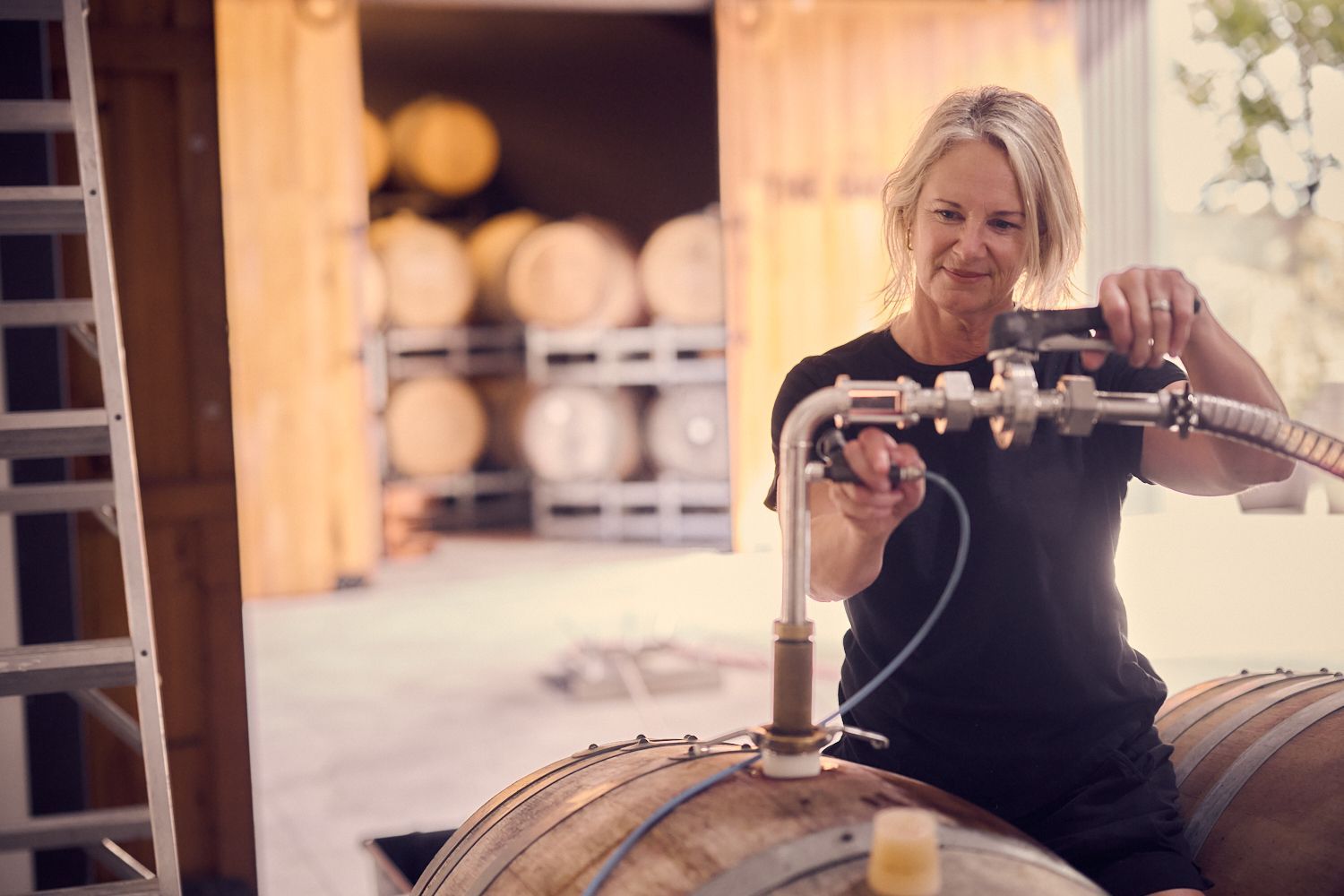
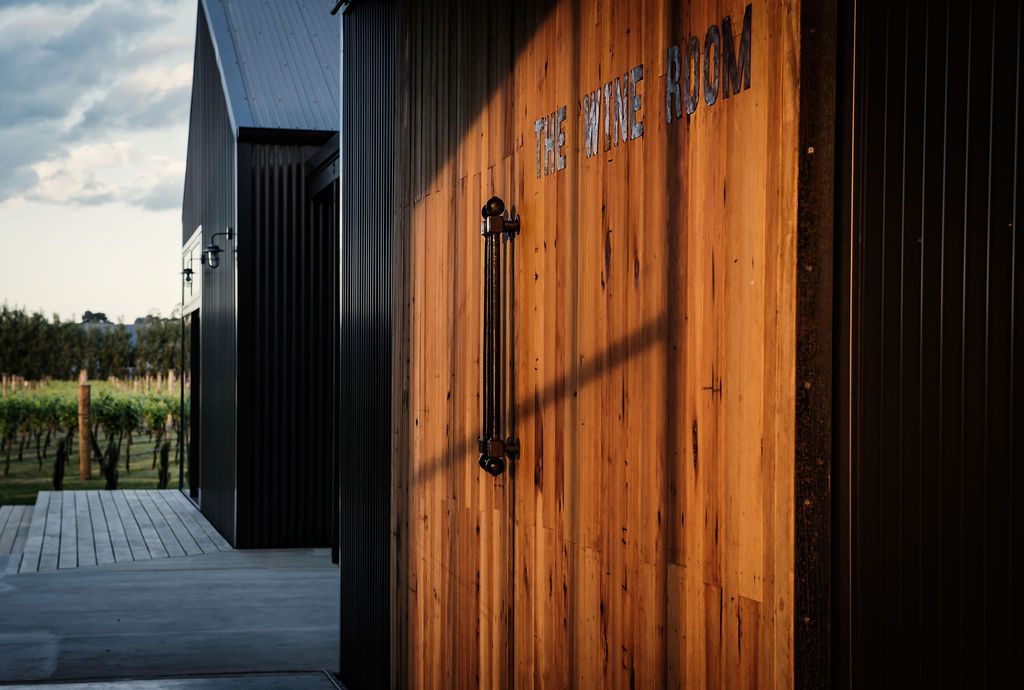
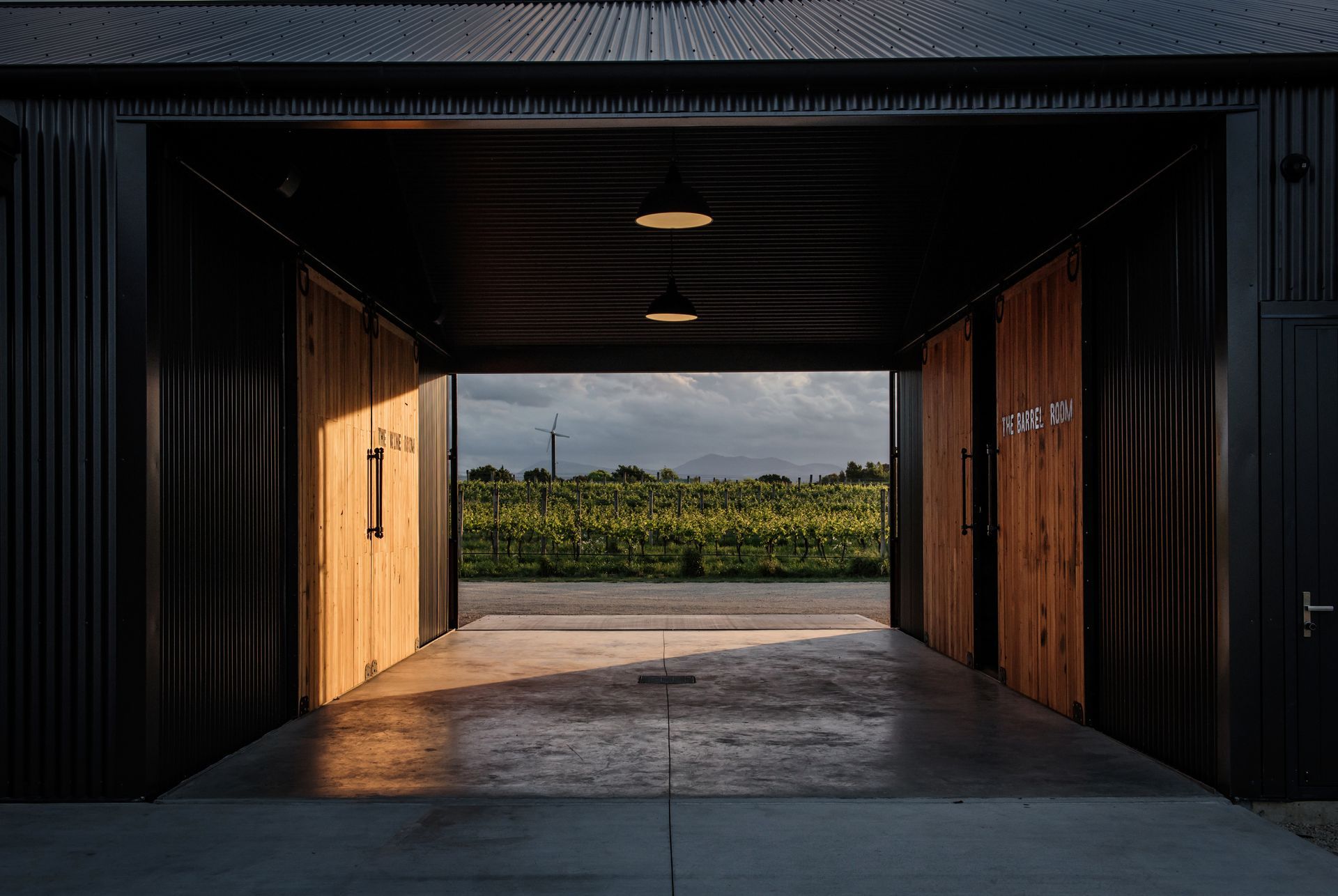
Today, the Poppies operation incorporates not only the cellar door operation but 14 hectares of premium vineyards (some of which Poppies owns directly and some over which it holds long-term leases with growing methodologies in strict accordance with Poppies' own viticultural regime) and a brand new winery built in 2020.
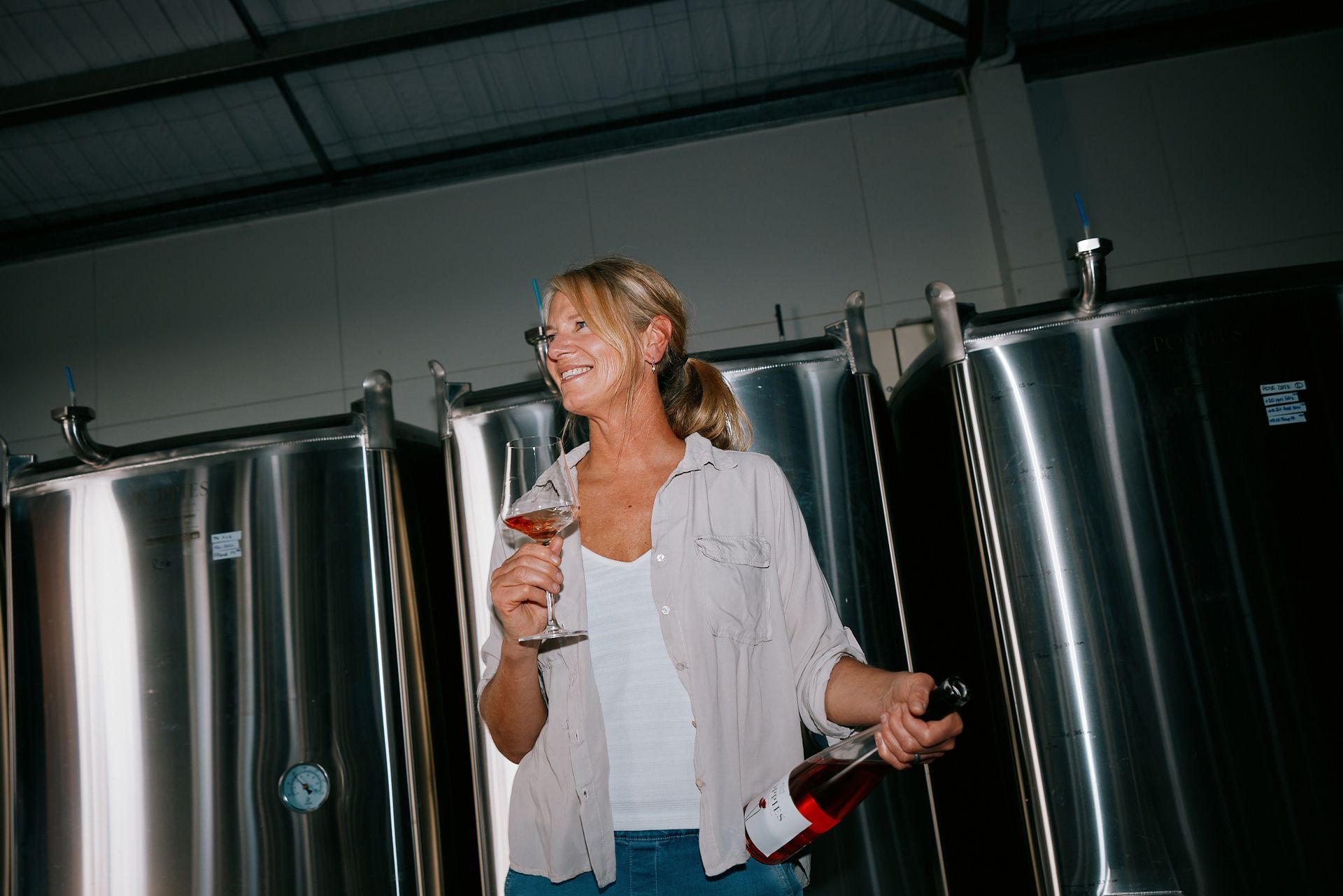
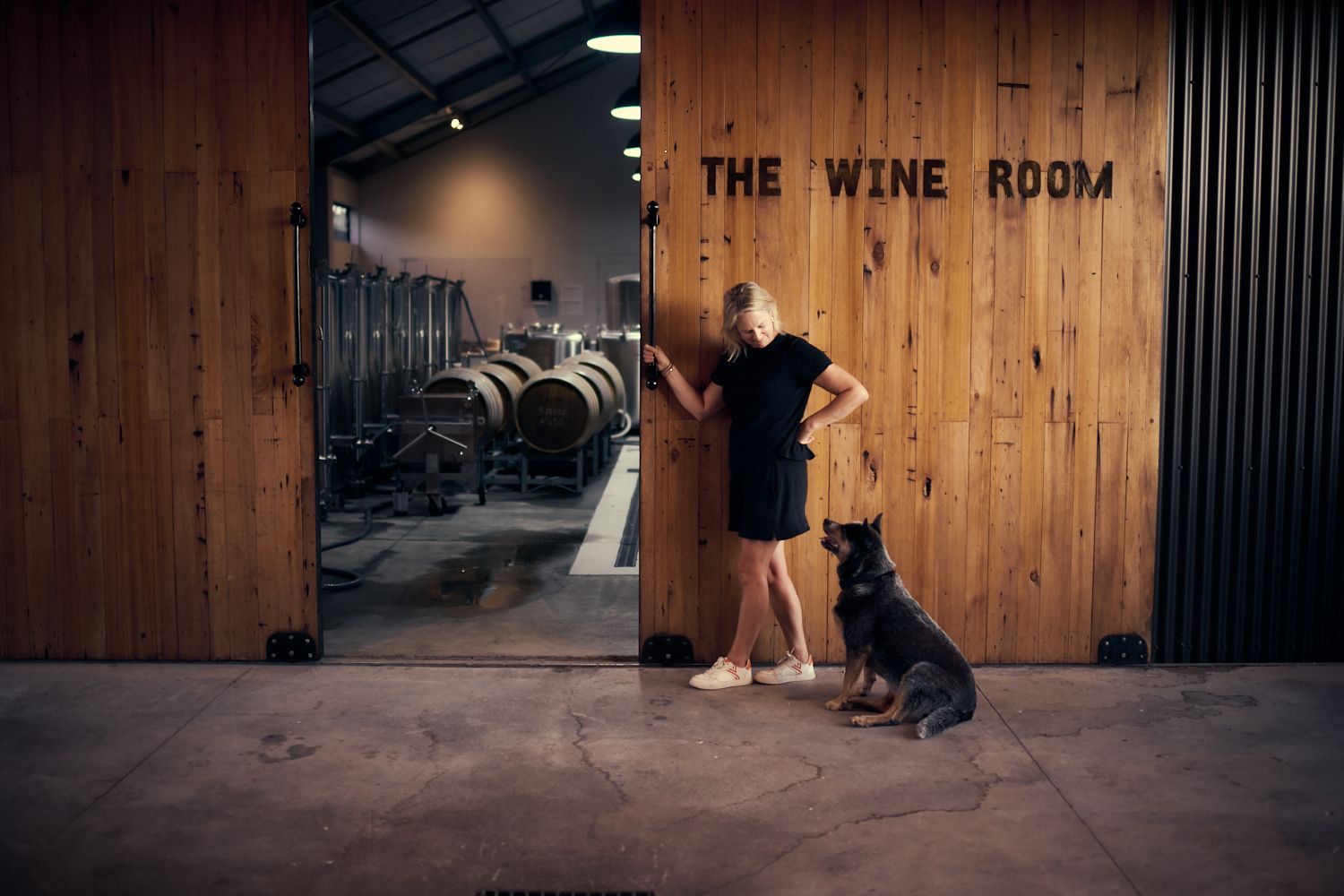
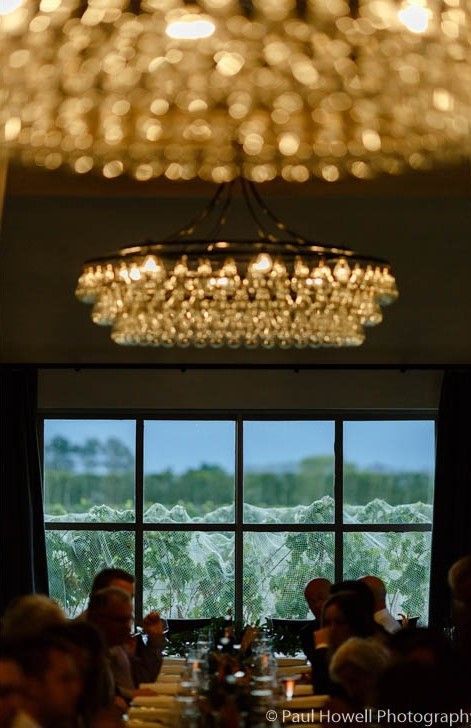
To ensure the retention of a "boutique" environment in all aspects of the business, including the "workplace" itself, the winery was designed specifically to avoid it ever becoming an "industrial" space, even when it reached (as it soon will) its forecast annual production of 100 tonne of fruit. To that end, one of the first things visitors treated to a tour of the winemaking area will notice, is that - unlike a "standard" winery - the Poppies operation consists of lots of small 1500-litre to 2200-litre tanks, square in shape so that they stack.
That not only keeps the winery itself "non-industrial", but producing wine in small batches facilitates the degree of control required to produce consistency in style and quality both across vintages and across the often-extreme weather conditions Martinborough is notoriously experiences in any given growing season.
The vineyards (both the Hammonds' own and those under long-term lease) as well as the winery and the cellar door facility are all located on the free-draining alluvia soils of the micro-region known as the Martinborough terrace. The crème de la crème of grape-growing country, this is a river terrace that wraps broadly around the town.
In the midst of the vines on their self-owned vineyards is a luxury apartment for accommodating paying guests . . . many of whom fly in from all across the globe, some drawn by Poppies’ ever-expanding international reputation, and some on the broader New Zealand wine trail.
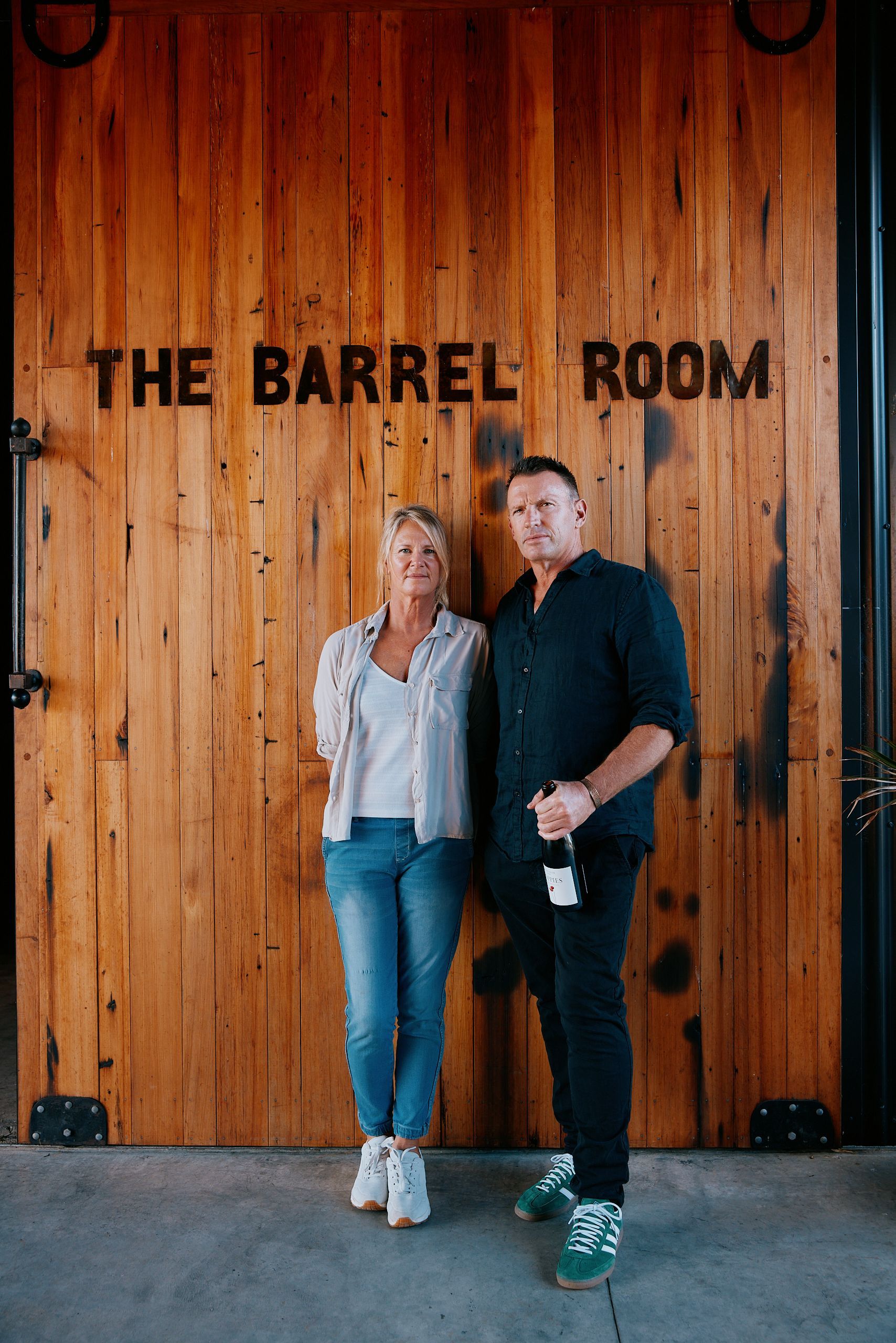
“We have visitors from every corner of the globe,” says Shayne, the viticulturist half of the husband-and-wife team that remains the core of Poppies. (The other half, of course, is winemaker extraordinaire, Poppy.)
“There are so many stories I can tell of the way visitors have learned of us and arrived here.
“From the American tourist encountering air stewards and stewardesses on every single leg of his flight between New York and Auckland, who were each enamored of Poppy’s in their own right and insistent that he must make the winery a priority destination; to the Danish couple reading about Poppies in their daily newspaper, to a guy who took a taxi all the way from the Intercontinental Hotel in Wellington after reading a review of one of our wines . . . the stories behind how people turn up at our cellar door continues to fascinate us.”
A Little History of Their Own
Shayne previously worked at Martinborough’s well-regarded Dry River Estate as its viticulturist before he and Poppy, Dry River’s then assistant winemaker, founded Poppies. In fact, when they commenced their own grape-growing and winemaking operation in November 2012, their cellar door/tasting room was located directly opposite Dry River on Puruatanga Road.
A chef by trade, Shayne had traveled extensively through Japan, Southeast Asia, Australia, the United Kingdom and Europe, before moving back home to Ohakune in 2000 . . . where, as fate would have it, he promptly “re-met” his high school sweetheart who happened to be attending a wedding there.
That adolescent sweetheart was Poppy . . . and the rest is their own history.
Poppy had worked in the tourism industry, primarily in Queenstown with daredevil sports-tourism icon AJ Hackett Bungy, before being so drawn to the wine industry that she took the leap to become a winemaker herself. She first attained a oenology (winemaking) diploma from EIT (the Eastern Institute of Technology in Napier) and then her full oenology degree at Lincoln University in Canterbury.
Her work experience had seen the beginning of her tenure with Dry River Estate, and she’d never left – becoming full-time in 2000 (the year she and Shayne rekindled their romance) in the position of assistant winemaker. She was appointed head winemaker in 2003 – a position she held until the 2012 formation of Poppies.
In the meantime, Shayne was also bitten by the wine love bug, and made what felt like a natural transition from the premium echelons of the food industry, to the wine industry, embarking on a viticulture course at EIT that saw him become a fully-fledged viticulturist. After an initial tenure at Martinborough's Margrain Winery, he joined Poppy at Dry River Estates as its viticulturist in 2004.
From A Dream to An Inevitability
Over the next few years the concept of “Poppies” grew from the realms of a dream, to an inevitability.
The couple had by then traveled together to many of the world’s wine regions and developed a joint appreciation of, and desire to commit to, preserving the authenticity of wine . . . by growing grapes and making wines in strict accordance with the methods and styles for which those varietals were known historically, as per the centuries-old ways of the growers and makers in the regions from which they hailed.
“As a wine region, Martinborough was really only established in the late 1970s,” Shayne says. “Whereas, you go back to some of the wine regions in France and you’re talking hundreds and hundreds of years.
“Within those centuries, France, for example – as an icon of the wine world – has formed wines that have long since become the international standard of specific varietals or styles. Take the south of France, which is the traditional home for the rose varietal globally.
“And then you break that down to smaller component regions like Provence, with a global reputation for its traditional very dry, very precise winemaking style. They make this same style every vintage. They don’t go and change it up for variety; they stick strictly to their hallmark style for that varietal.
“That’s the inspiration for us making wine in the ‘new world’. That tradition is our inspiration. We are committed to staying true to the styles developed for any specific varietal in those originating wine regions and homes of the varietal in question.”
A classic example is Poppy’s Tempranillo varietal – the historic home of which is Northern Spain.
“We had a an amazing holiday in Spain in 2005 and when we began our tastings of the tempranillo varietal, we knew that was going to be part of the portfolio of wines we would eventually create.”
Meantime, Poppy’s aromatic wines – pinot gris, gewurztraminer and her late harvest wines – are all made following the traditions bequeathed by Northern France's iconic Alsace winemaking region.
“Poppy has done vintages in Alsace and loves those sweeter aromatic wines; she’s besotted by them,” says Shayne.
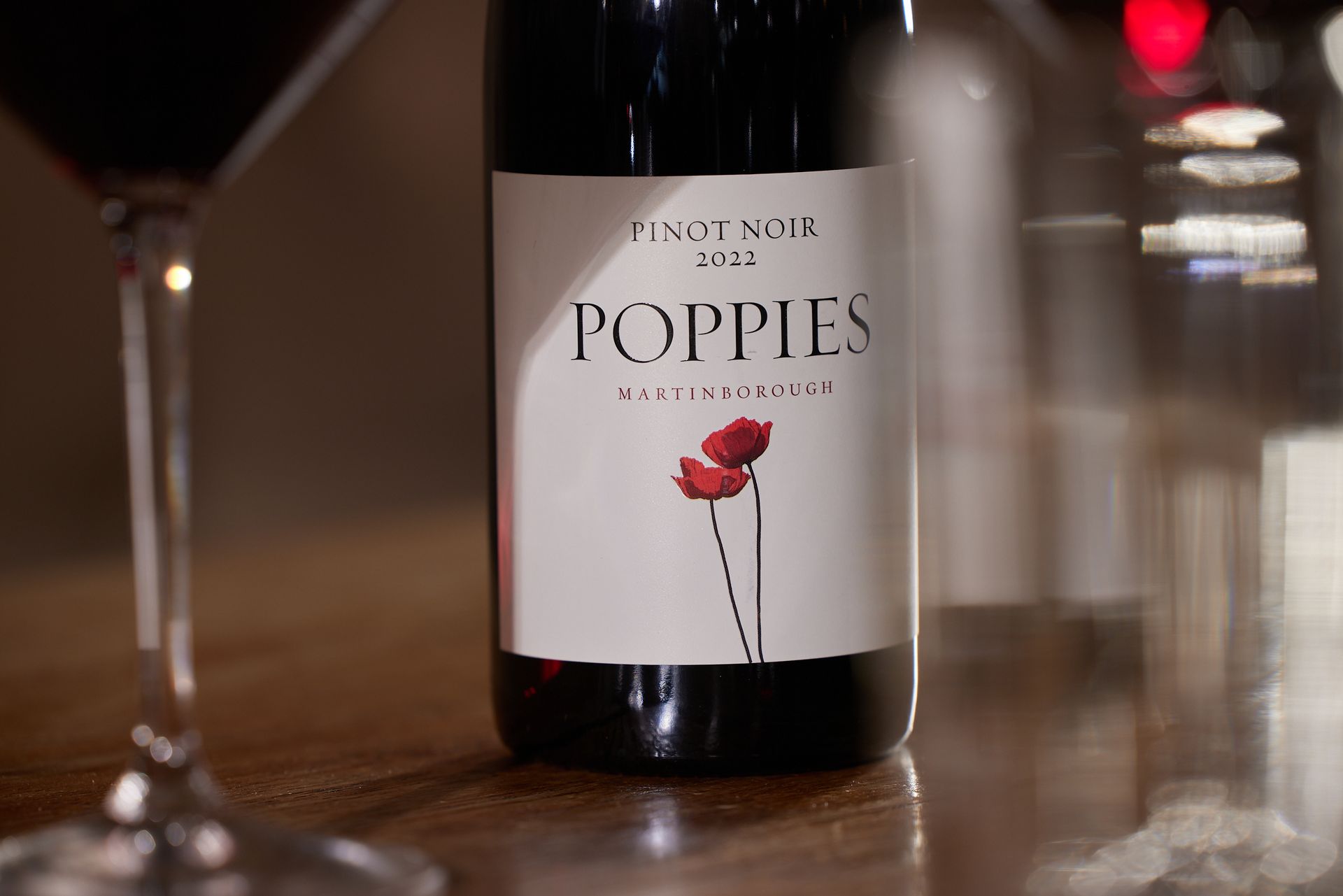
But the main game – both for the Poppies range and for Martinborough as a region – is, of course, pinot noir.
“Pinot noir is actually the real reason we’re here, first and foremost, though . . . everything else is a part of the story, and complementary to it. But Martinborough is truly world-class in pinot noir, and we have both a passion and an obligation to further the region’s reputation for it.
“Martinborough is literally geographically determined – through its pinot-perfect soils and its very dry and arid climate – to be the premium pinot noir growing region of New Zealand . . . and comparable with the best of the pinot noir grown and made globally.
"France’s Burgundy region is the traditional home of pinot noir – and we adhere strictly to its historic style.”
The pinot noir varietal is also the couple’s personal favorite.
“Ours is very structured and complex . . . and yet very elegant and refined all at the same time. That’s the hallmark of a historically true-to-varietal pinot noir, and it’s a real art to achieve it.”
Minimalist, Hands-Off Winemaking Philosophy
So how do viticulturist and winemaker achieve the standard of wines that brings rave reviews from wine writers and wine enthusiasts all over the world?
“Our viticulture techniques are exacting,” Shayne explains. “They have to be, because key to our outcomes is growing with no irrigation ('dry farming') and organic and biological pest management methodologies.
“It’s based on respecting Mother Nature . . . working with her, rather than heavy, chemical intervention: minimal chemical use, efficient water management, and taking the long way around a lot of the time.
“It all about timing, and patience and attention to detail. If you create an environment for a weed to grow, weeds will grow. If you create an environment that weeds don’t like, they won’t grow.
“The same goes for insects and other disease and pests; as soon as you put a herbicide onto the ground it will kill everything in its path, not just what you specifically want to kill. And it creates a very sterile environment. But if we plant certain beneficial plants that attract beneficial insects, those desirable insects will naturally control the undesirable ones.
“In short, we work side by side with Mother Nature, synchronistically, rather than fighting her through ‘kill chemicals’.”
To be clear, Poppies isn’t organic-certified (they do use contact herbicides under some vines, and there isn’t any certification for the nutrition-based growing methods of biological farming).
Vision for the Future
Firstly, it’s not just about Poppies.
It’s about the Martinborough region - and continuing to cement its place on the world map of premier wine regions.
“Our former employer, Dry River Estates, was owned by two Americans – Reg Oliver and Julian Robertson. Reg owned vineyards in the Napa Valley just out of San Francisco. He also had a winery in St Helena, north of the Napa Valley.
“I remember one day asking Reg why he invested in Dry River . . . on the other side of the world. He said he bought the winery not only because of its own reputation but also because Martinborough as a winemaking and wine tourism region, was 20 years behind St Helena – and it would some day grow up to be a Kiwi version of it.
“That resonated with me, as a validated future vision: to see clearly the potential for Martinborough to blossom into a world-renowned tourism destination based on wine.
“And time has proven him right . . . and clearly will continue to do so, vintage after vintage and tourist season after tourist season.”
A Day In the Life
What does a typical day in the life of viticulturist Shayne Hammond and winemaker Poppy Hammond look like in practice?
“Everything is very seasonal, especially with our particular, biological form of planting, growing and pest management,” says Shayne. “From October to May – spring, summer and harvest – most of my own time is spent in the vineyard itself, mowing, canopy management and the small amount of spraying that we do.”
Meantime, February to May is when things are at their most intense for Poppy as winemaker, getting ready for harvest.
Both make it a priority to spend as much time as possible in the cellar door operation, despite the fact that they now run a team of anywhere between 15 and 20 staff, depending on the time of year – November to March being, of course, their busiest period i.e. the height of the tourist season.
“We share a real bond with our customers when we meet them, and they with us.
“There’s something about the hand of the maker being that which pours their glass of wine. It creates a mutual emotional attachment.
"That’s the absolute heart of the experience that Poppies was, is, and will continue to be, created around.
“Bringing the finest quality wines, true to their specific origins, to an ever-growing, appreciative audience. And doing so in the most personal manner that we can.
“That will never change. While we’ve had to increase our production – quite rapidly in our short history – to meet demand, there’s a level of growth that we have no intention of going over. Our full capacity is 100 tonne of fruit per year. We’re nearly at that now, and at that point everything becomes maintenance and a focus on perfection.
"Perfecting production and perfecting authenticity, both at the same time. You can’t be a monolith and achieve that, and we have no intention of going in that direction, just because we could.”
The Offerings
Until 2023, the only place to secure a bottle of Poppies wines was at cellar door or through the Poppies Wine Club and the Poppies website’s online ordering facility.
Demand has finally, however, seen the Hammonds begin to grant on-licence access to selected restaurants around New Zealand – primarily in Auckland and Wellington.
The Poppies range includes (cellar door pricing):
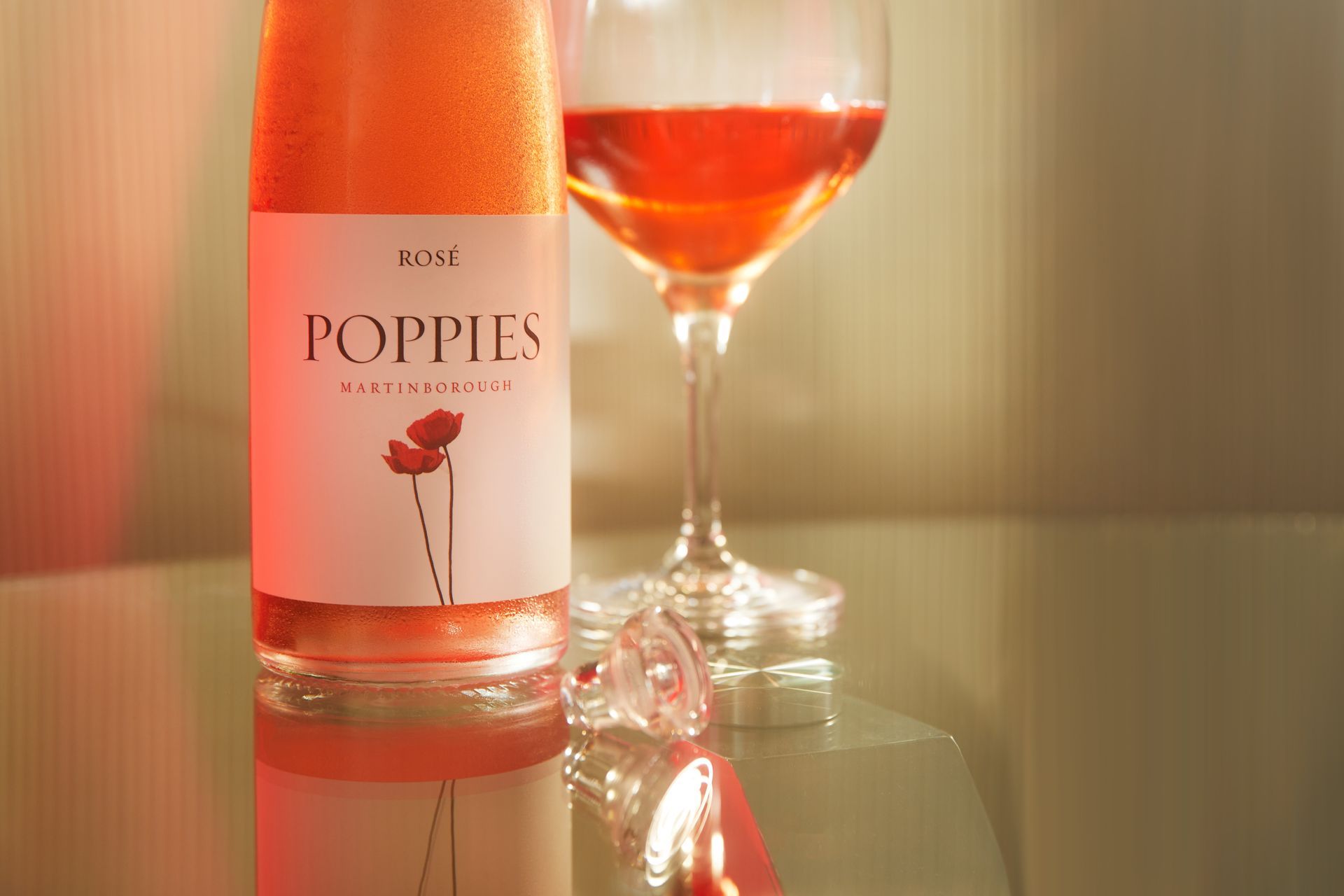
Rose at $48 per bottle; Sauvignon Semillon at $48; Pinot Gris at $50; Chardonnay at $50; Gewurztraminer at $55; Viognier at $55; Late Harvest Reisling at $55; Late Harvest Pino Gris at $55, Methode Traditionale (Champagne) at $65; Pinot Noir at $70; Syrah at $75; Tempranillo at $75, and Pinot Noir L'elu at $180.
Poppies has been nominated by New Zealand’s prestigious 'Real Review' wine commentary online publication as one of the country’s top 20 wineries . . . a true feather in the cap of an operation and a label less than a decade old.
Meantime, Poppies Rose was nominated by ‘Real Review’ for the title of Rose of the Year for its 2024 vintage, and was awarded in the top three roses internationally.
Poppies 2022 Pinot L'elu scored 99 out of 100 in a review by the highly regarded and globally recognised New Zealand wine writer, Sam Kim. The 2024 of the same varietal also scored a 99 in his review.
Where, When & How
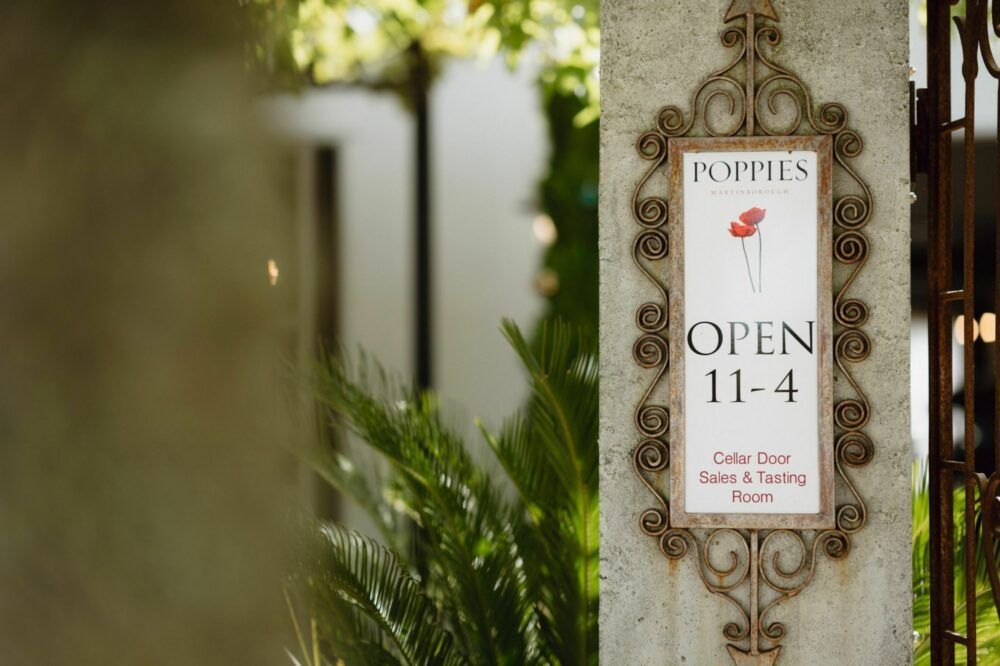
Poppies Martinborough's cellar door operation is open seven days a week from 11am until 4pm.
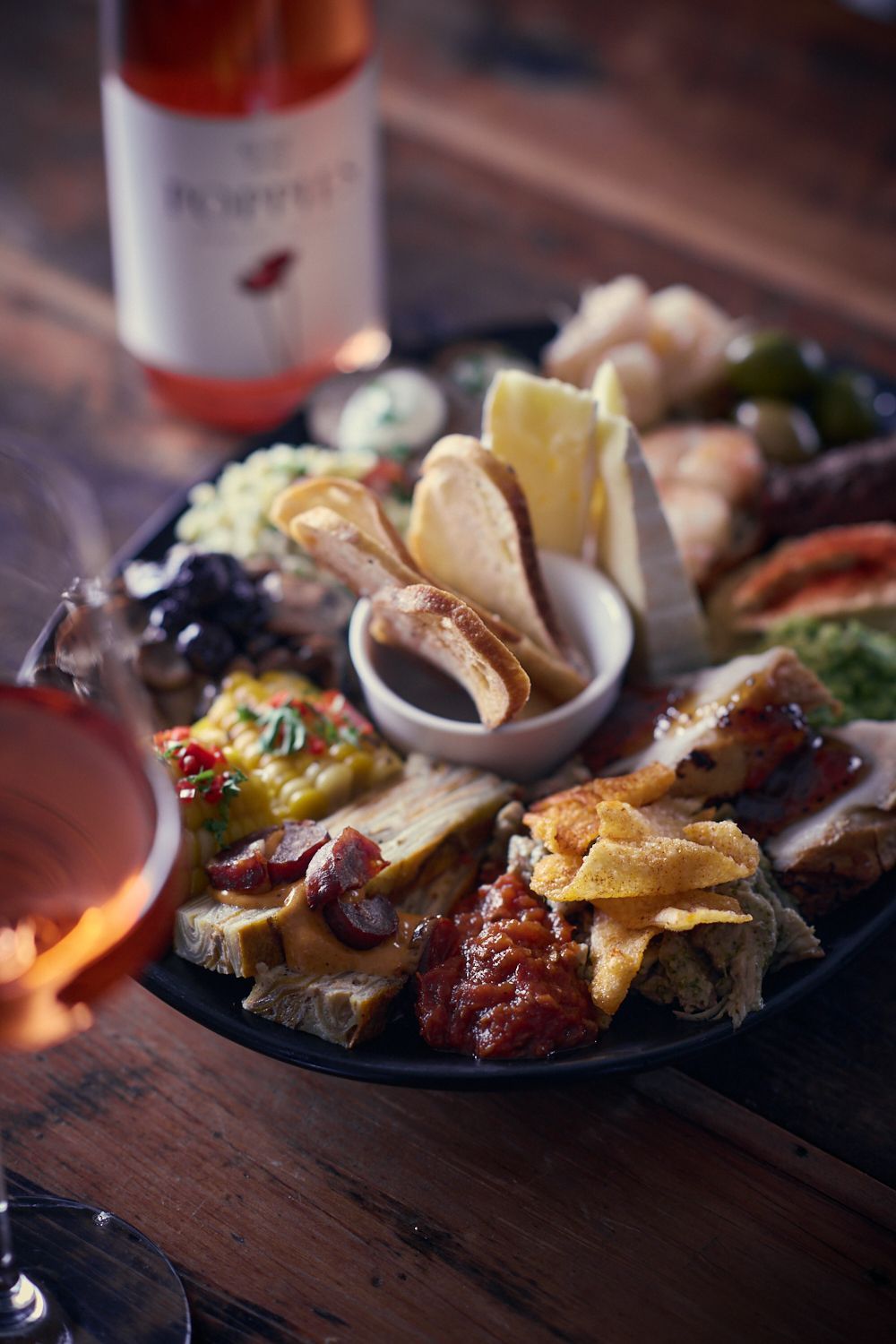
Lunch platters are available . . . not your average lunch platter, either. These have 16 or 17 different components, each to provide specific flavours to complement one or more of Poppies' wines.
Poppies Wine Club is free to join, and offers members (who can join either as casual members or subscription members) a 10 percent pricing discount “and perks”.
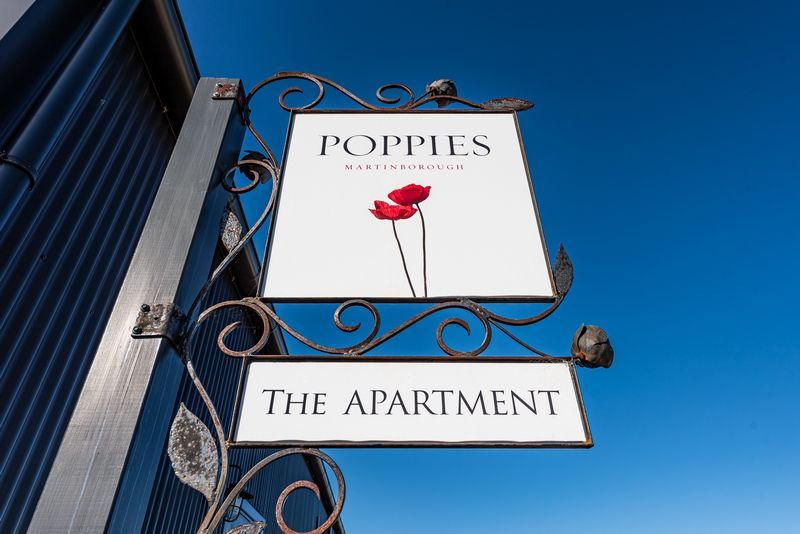
And there’s provision for overnight stays, in the form of “The Apartment” . . . nestled in a vineyard, for a truly immersive experience that is as authentic as the wines themselves.
The cellar door venue is at 91 Puruatanga Road, Martinborough (phone 06 306 8473). The winery itself is located on one of Poppies' own vineyards, at 35 Omarere Road, Martinborough.
Poppies Martinborough Limited - www.poppiesmartinborough.co.nz
This profile is an independent commercial showcase. The Publisher accepts no liability for services or transactions entered into with Featured businesses. Read our full Disclaimer.
© 2026 Wairarapa Business Showcase. All rights reserved. This Feature article is protected by Copyright and may not be reproduced elsewhere.